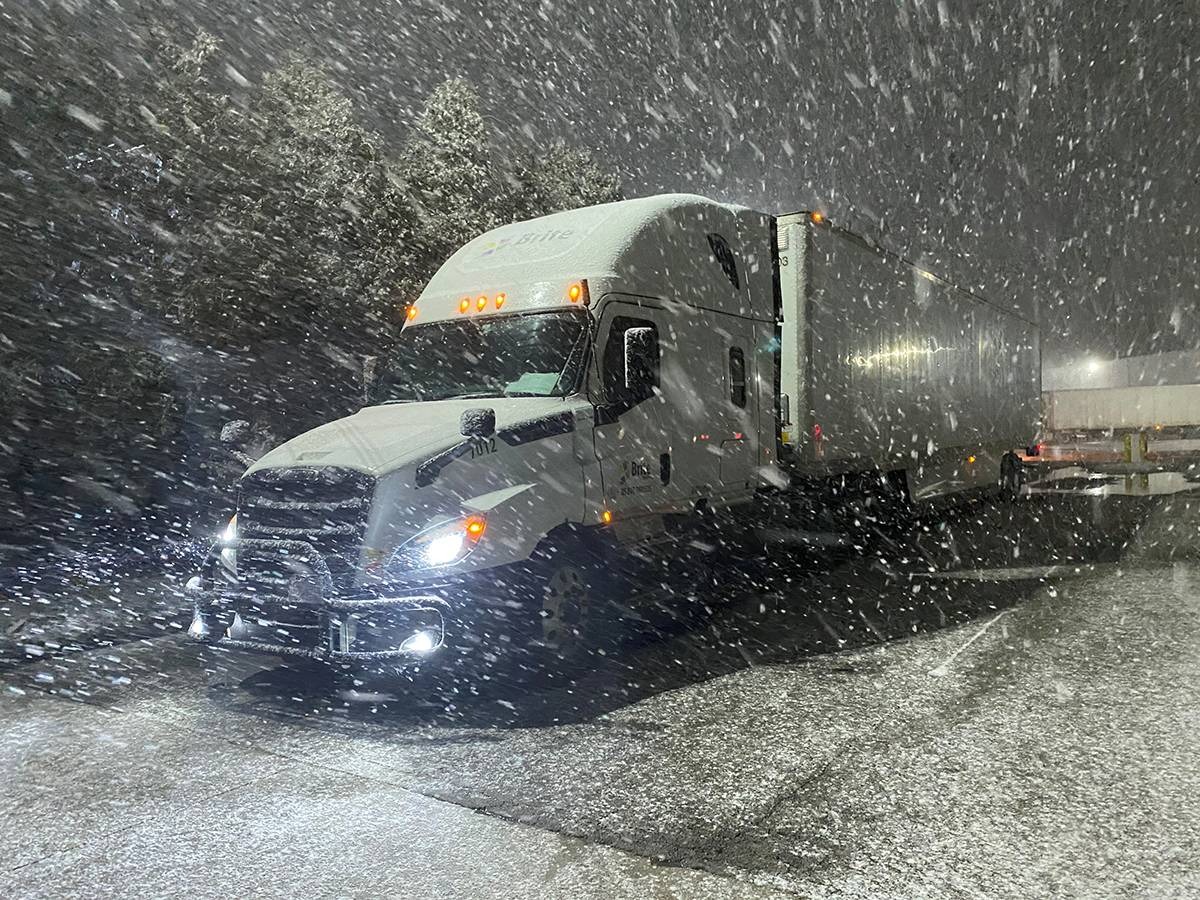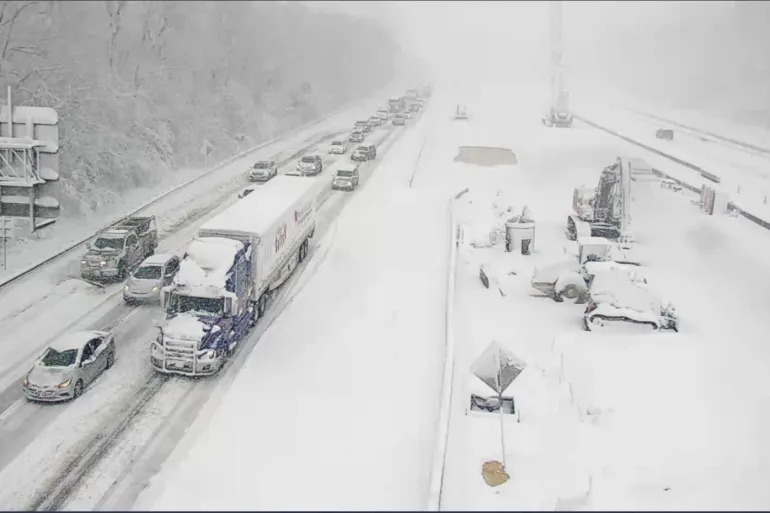
Winter night shifts are a truck driver’s life. Darkness is increasing, temperatures are dropping, roads are demanding more concentration, and the body is struggling against the natural cycle of the night more than it ever does. With cold weather, monotony, and exhaustion, microsleep is one of the most dangerous risks that winter work poses. A structured night shift routine helps drivers anticipate fatigue instead of reacting to it too late.
Contrary to what many people think, microsleep does not involve a person falling asleep. It is a moment of a few seconds of time when a person is not aware of their surroundings enough to miss a curve, drift out of lane, or react too late. For nighttime truck drivers, the key to beating microsleep is not willpower but instead is constituting a regular schedule, micro-habits, and learning how winter conditions affect the body and mind. This definition of microsleep is consistent with clinical descriptions of brief, involuntary sleep episodes during wakefulness. (Source: https://en.wikipedia.org/wiki/Microsleep)
Learning how to avoid microsleep depends on protecting sustained wakefulness during long winter night shifts.
The gathering purpose of this article is to break down practical, real-world strategies for winter night shift survival that have been designed specifically for truck driving.
How Dangerous Winter Night Shifts Are
Night shifts are already hard on the human body. Winter strengthens every weak point in a night shift routine.
Cold weather work and prolonged winter working hours place additional strain on alertness and reaction time.
Cold weather increases energy expenditure. Darkness suppresses alertness. Reduced daylight disrupts circadian rhythm even further. This with long work schedules is the perfect step for both fatigue and microsleep.
A healthy routine is the foundation of combating fatigue when working winter night shifts.
Understanding how to maintain focus and staying awake during long winter nights is a critical safety skill for truck drivers.
For truck drivers, winter night shifts also mean:
- Less visual stimulation due to darkness and snow
- Higher mental load because of winter road conditions
- Longer reaction times caused by cold and stiffness
- More monotony on empty nighttime highways
The first step is to understand these factors and then you can survive shifts.
What Microsleep Looks Like When Driving a Truck
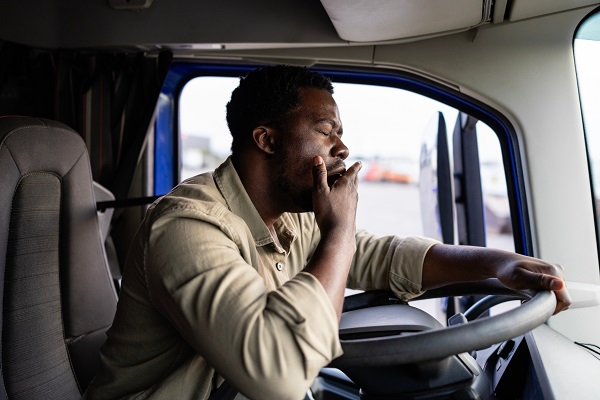
Many drivers mistakenly think that microsleep is a state of extreme fatigue only. The opposite is true as it is often a sign of “normal” fatigue.
Common microsleep signs during winter night shifts:
- Heavy eyelids that blink slowly
- Losing track of the last few miles driven
- Drifting within the lane without noticing
- Missing road signs or exits
- Sudden jolt of awareness (“What just happened?”)
Microsleep Triggers vs Preventive Micro-Habits
| Microsleep Trigger (from winter night shifts) | Preventive Micro-Habit Mentioned in Article |
| Darkness and reduced visual stimulation | Bright light exposure after waking |
| Monotony on empty night highways | Rotating audio and posture changes |
| Cold weather stiffness | Movement, stretching, cab temperature control |
| Sleep deprivation | Pre-shift sleep routine and sleep management |
| Long, uninterrupted driving | Predictable checkpoints and micro-movements |
Microsleep is not weakness. It is a biological response to sleep deprivation and disrupted sleep management. Effective strategies for combating fatigue are essential for maintaining alertness during winter night driving.
The Base: A Night Shift Routine That Works in Winter
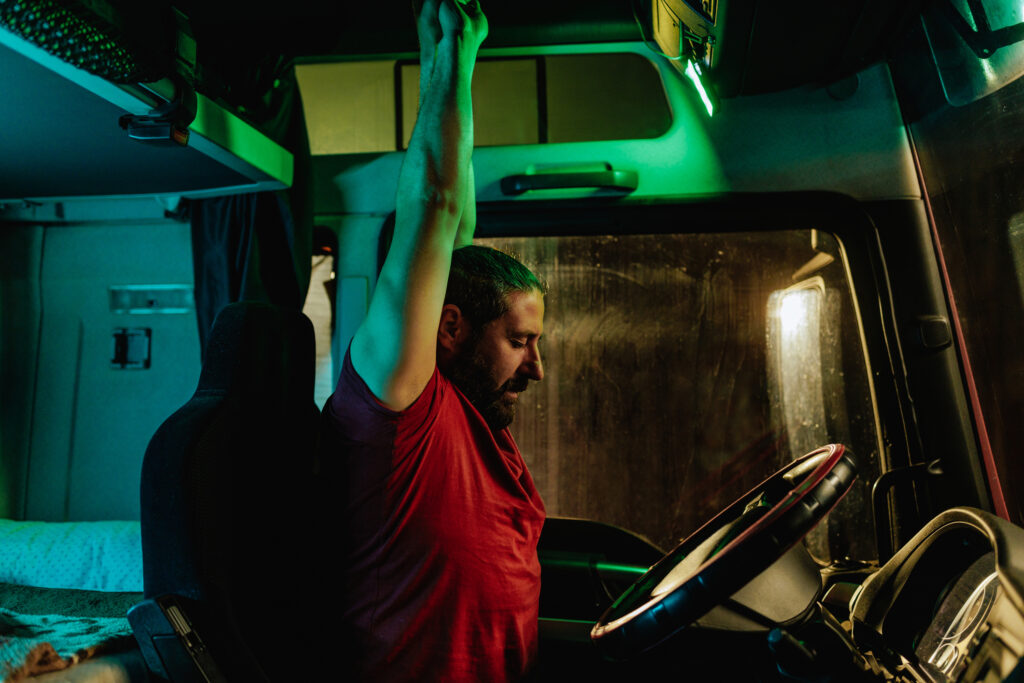
Riding the night shift the right way gets crucially connected with the time one time is before the shift starts. There is no micro-habit which can substitute a broken routine.
A stable shift worker routine is the foundation of long-term alertness.
For night shift workers, the daytime sleep condition has the greatest impact on the night shift performance. In winter, the short days make it really easy for a person to get tempted into staying awake longer. This is a big mistake.
Important sleep tips for winter night shifts:
- Sleep in a completely dark room
- Keep the bedroom cool but not cold
- Use consistent sleep and wake times
- Avoid screens at least 30 minutes before sleep
Sleep management is the main element of all alertness-related tactics. Without it, every other plan fails.
Following consistent sleep tips helps stabilize a shift worker routine during winter nights.
Winter Night Shift Routine: Before, During, After
| Shift Phase | Key Actions from the Article | Purpose |
| Before the shift | Dark room sleep, consistent timing, no screens | Stabilize circadian rhythm |
| During the shift | Controlled caffeine, movement, cool cab | Maintain wakefulness |
| After the shift | Light food, limit morning light, consistent sleep | Reduce cumulative fatigue |
Micro-Habits That Prevent Microsleep on the Road
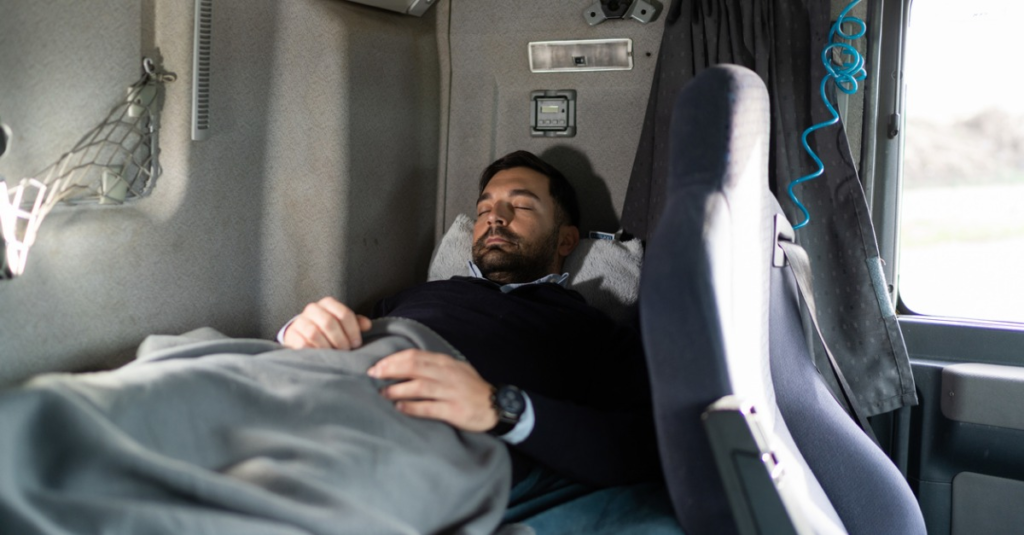
Substantial changes are tricky to maintain when working in winter. Micro-habits are small, repeatable actions that help keep wakefulness high.
Micro-Habit 1: Systematized Wake-Up Ritual
Making each of the winter night shifts the same by sticking to the same wake-up routine is the idea behind this micro-habit:
- Bright light exposure is necessary right after waking up
- Short movement (stretching, walking, light exercise)
- Warm shower or face splash
This would send a signal to the brain that the instruction is a night worker who has begun this particular shift.
Micro-Habit #2: Temperature Control Inside the Cab
Draft cab is no longer a pleasure, it is a danger. The dangers of warm cabins increase sleep deprivation.
For work that is connected to cold weather:
- Keep the cab slightly cool
- Use layered clothing instead of high heat
- Adjust airflow periodically
Cooler air supports alertness without causing discomfort.
Micro-Habit #3: Timed Energy, Not Constant Stimulation
Caffeine should never be constant because then it causes crashes. The timing of energy boost is everything.
Night shift tips for caffeine:
- Small doses early in the shift
- Avoid caffeine 4–6 hours before planned sleep
- Never rely on energy drinks alone
Caffeine should support alertness, not replace sleep.
Movement Is a Tool of Alertness, Not Just Exercise
Physical activity is not only good for exercises, it also keeps one awake during winter night shifts.
Effective micro-movements:
- Brief stops with brisk walking
- Dynamic stretches at fuel stops
- Shoulder, neck, and leg activation
Movement improves blood flow and combats fatigue without requiring long breaks.
Nutrition for Night Shift Health in Winter
Heavy meals increase sleepiness. Skipping food leads to energy crashes.
Healthy routine for winter night shifts:
- Light, protein-rich meals
- Avoid heavy carbs late in the shift
- Hydration without excess sugar
Food is part of sleep management and wakefulness, not just fuel.
Managing Monotony on Winter Night Highways
Monotony and empty roads increase the danger of microsleep and are often a reason people get involved in accidents; less traffic means fewer visual clues.
Alertness techniques for monotony:
- Change posture regularly
- Adjust seat position slightly
- Rotate audio: talk radio, podcasts, educational content
Avoid passive audio that blends into background noise.
Winter Work Schedule Adjustments That Matter
Not all night shifts are equal. Winter demands adjustments.
Adjusting the overall work schedule in winter reduces cumulative fatigue and improves long-term safety.
Best winter working practices:
- Avoid extending shifts unnecessarily
- Reduce consecutive night shifts when possible
- Allow longer recovery time between shifts
Night shift workers need recovery more in winter, not less.
How to Recover after a Winter Night Shift
The post-shift routine is as important as the pre-shift.
Recovery micro-habits:
- Limit morning light exposure
- Eat light before sleep
- Avoid screens immediately after shift
- Keep sleep timing consistent
Good recovery reduces fatigue during the next shift.
Protecting long-term night shift health depends on consistency and respecting biological limits, especially during winter operations.
Conclusion: Winter night shifts form a system to be survived
Winter night shifts test every weakness in human alertness. They are not a distraction but rather a subject matter for exploration to be made by other scientists.
For truck drivers, surviving winter night shifts rests upon:
- Stably following a night shift
- Small, repeatable micro-habits
- Practicing sleep management
- Smart alertness strategies
Surviving shifts is not about being tough. It is about being disciplined, aware, and proactive. In winter, that mindset is what keeps drivers safe, alert, and on the road without risking microsleep.
FAQ
1. What is microsleep and why is it so dangerous during winter night shifts?
Microsleep is a very brief period of time (usually only a couple of seconds) that someone is completely unaware of what is going in and tends to misperceive the environment around them. For example, while it is totally dark during winter night driving and having night blindness, the driver may miss a curve, drift out of the lane, or even react too late. Winter night shifts become even more dangerous because cold weather, darkness, and monotony lead to the decrease of alertness and the acceleration of fatigue respectively. Cold weather work places additional strain on alertness during winter night driving.
2. Only the experience learned the way of microsleep avoidance on winter night shifts?
No. It is not only to say the experience of the drivers is the only one to be considered to avoid microsleep but that also after the experience, drivers are still prone to microsleep. It has been proven that sleep deprivation, disrupted circadian rhythm, and long work schedules are beyond the reach of simply the experience learned. A structured night shift routine and consistent micro-habits are more effective than relying on experience alone. Practical shift work tips focus on routine and consistency rather than experience alone.
3. The only caffeine is enough to not sleep in winter night driving?
Caffeine can help temporarily, but it is not a solution by itself. Caffeine consumption alone leads to energy crashes that irritate workers during their shifts. Controlled caffeine timing would, in combination with proper sleep management, movement, and temperature control the cab, far more effectively maintain wakefulness. Simple night shift hacks work best when combined with proper sleep and recovery.
4. What is the influence of cold weather on night shifts for truck drivers?
Cold weather forces the truck driver to use more energy and be more stiff, delays the reaction time, and provides less comfort inside the cab. The combination with darkness and empty highways makes the work of the cold weather significantly more draining and increases the chances of microsleep in night shifts. Surviving shifts in winter depends on preparation rather than endurance.
5. What is the most effective way to recover after a winter night shift?
Recovery evokes as fast as a lightning bolt when the shift is completed. Light exposure must be avoided in the morning, light food should be kept, screens should be avoided, and sleep timing should be kept pointed in order to help body reset. The maintenance of good recovery habits is a must for the preservation of night shift health over the long term and for preventing the cumulative fatigue.
Night shifts and winter stress stack up fast — especially for rookies. This guide on truck driver mental health covers warning signs and practical support steps.