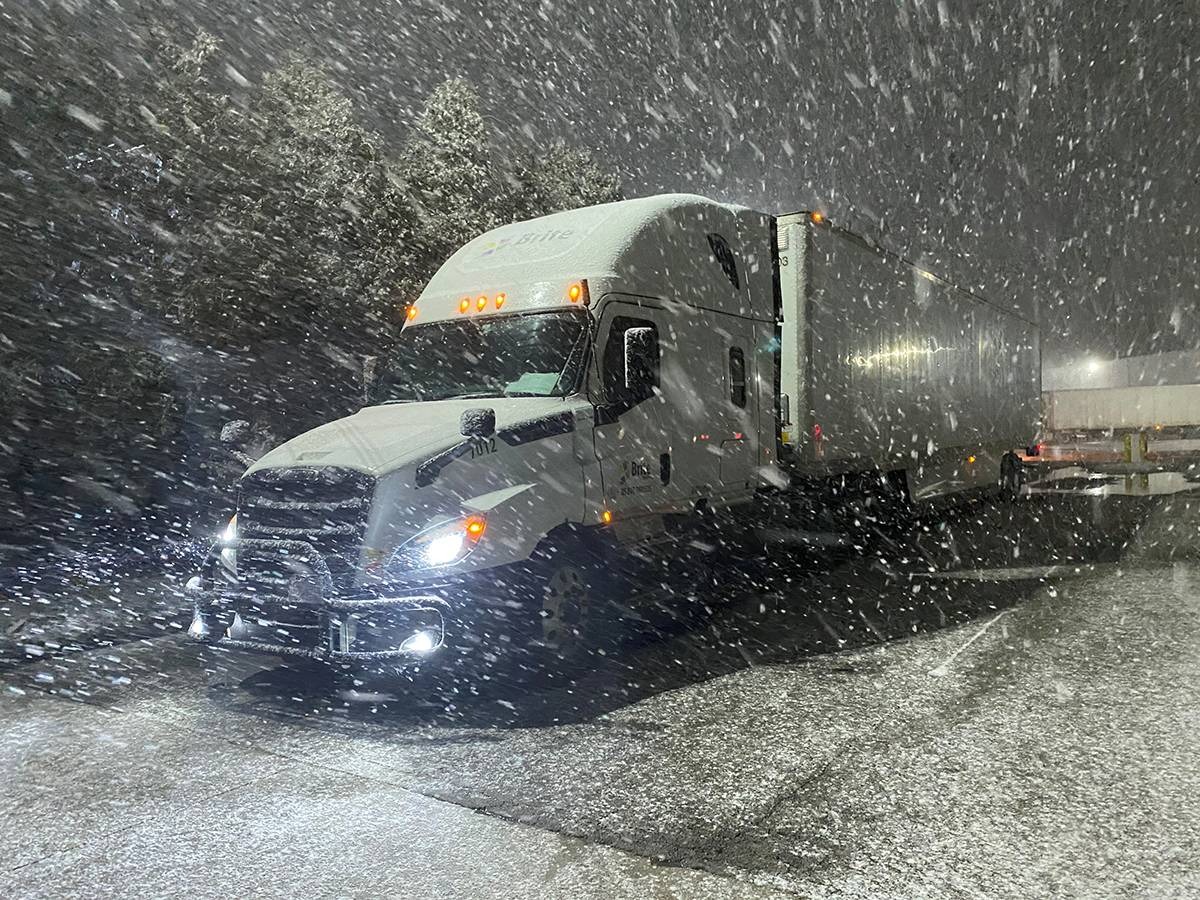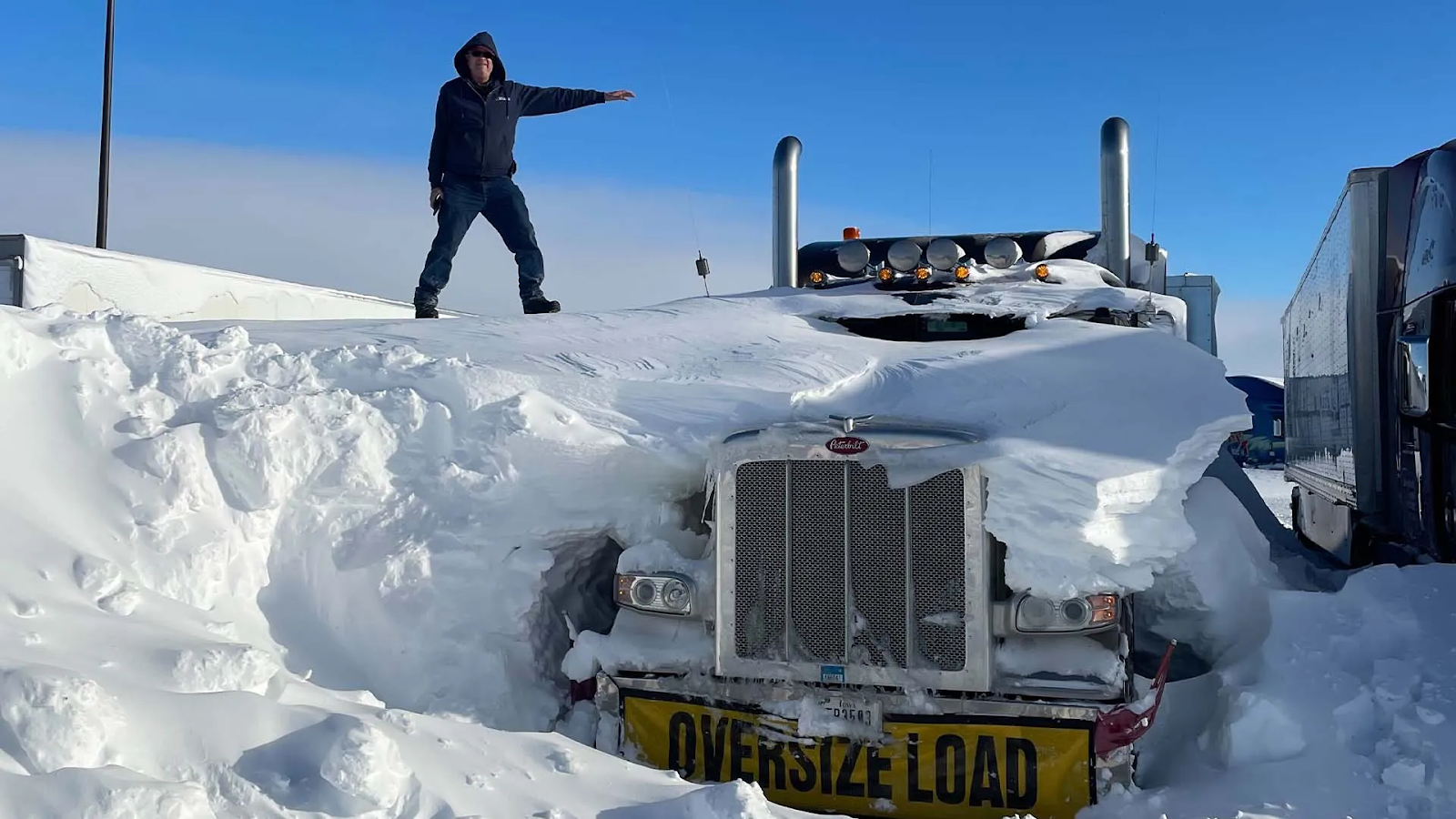
In the trucking industry, interstate highways are mostly seen as the safest means of travel during long-haul journeys. Long, unbroken lanes, simple directions, and quick snow removal have people easily fall into the rational thought that the main roads are safer in all conditions. This thought, with all its consistency, is one of the biggest winter driving myths in the trucking business.
This article examines and illustrates that “main road safety” is not always guaranteed and why drivers’ winter highway driving is in fact frequently risking them the contrary. These highway myths need to be taken seriously, especially when driving in winter conditions.
Many experienced drivers eventually discover that the belief that main roads safer by default can become a hidden risk during winter operations.
Why Winter Interstates Create a False Sense of Security
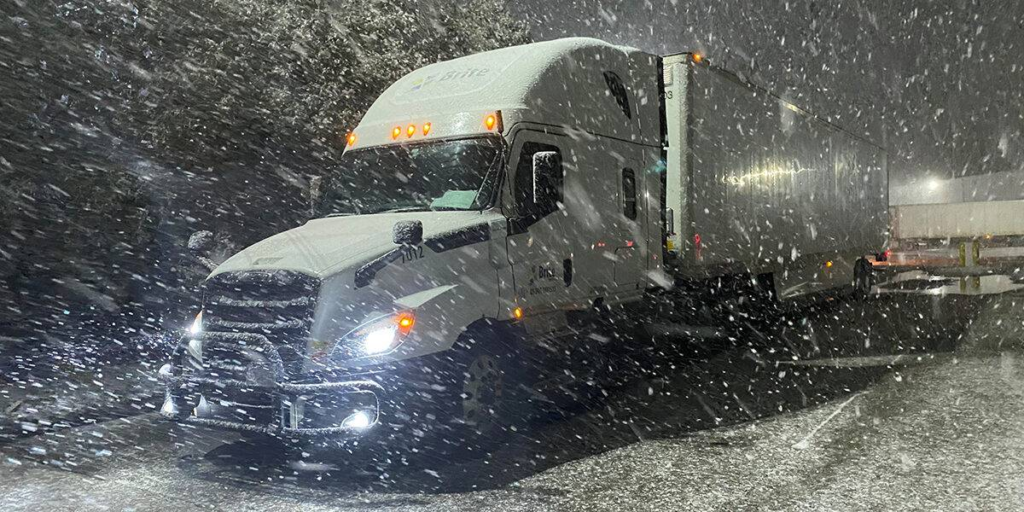
The interstates are the unknowns that offer drivers a predictability. They are already familiar with the interlayout, exits, traffic patterns, and highway travel routines. Thus, in winter, this previously mentioned sense of familiarity often transforms into the state of mind of the drivers that is not realistic anymore – overconfidence, which is one of the main reasons that cause many driving myths.
The idea of an expansive lane psychologically seems to be a safety feature. Constant traffic creates the impression of traction. Snowplow activity suggests safety. However, whether a road is classified as an interstate or not, winter conditions do not change. Icy roads, black ice, and wind-driven snow are treated the same, or even worse, at highways as they are at smaller roads.
The real problem is the distinct ways in which drivers are affected by the fact that routes are wide during winter driving. During winter weather driving, familiarity often replaces caution faster on interstates than on unfamiliar secondary roads.
Assumptions About Winter Interstates That Cause Accidents
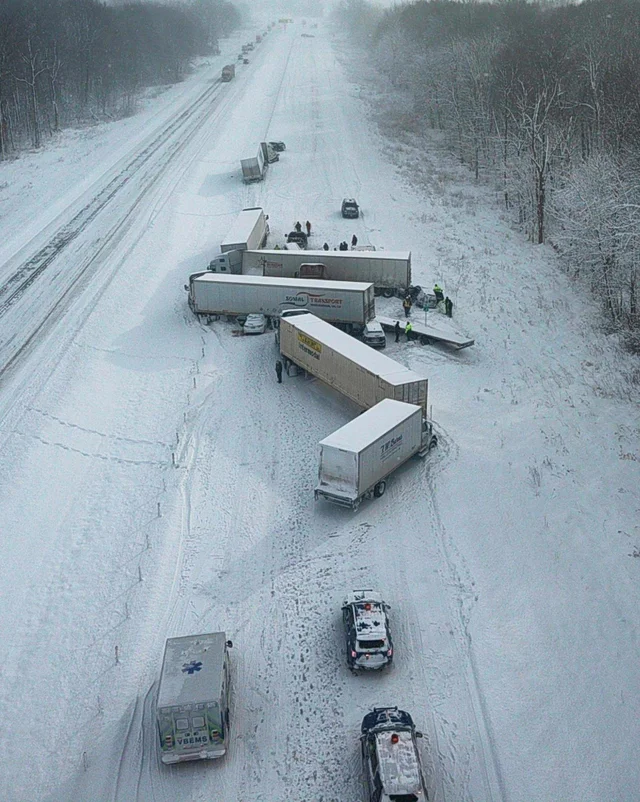
The following ideas are similar to the common myths that are seen as the main reason’ contributors to road accidents that happen in winter:
- “If the road is open, it must be safe”
- “Plows clear interstates first, so traction is better”
- “Traffic improves grip”
- “Wide lanes allow room for correction”
- “Emergency help is always close”
These winter driving myths are often proven wrong during severe storms. In the moment these wrong beliefs are detected, the time for solution is minimal resulting in dangerous rapid development of the situation.These are classic examples of myths debunked every winter by real-world accident patterns.
Traffic Density: When More Vehicles Mean More Risk
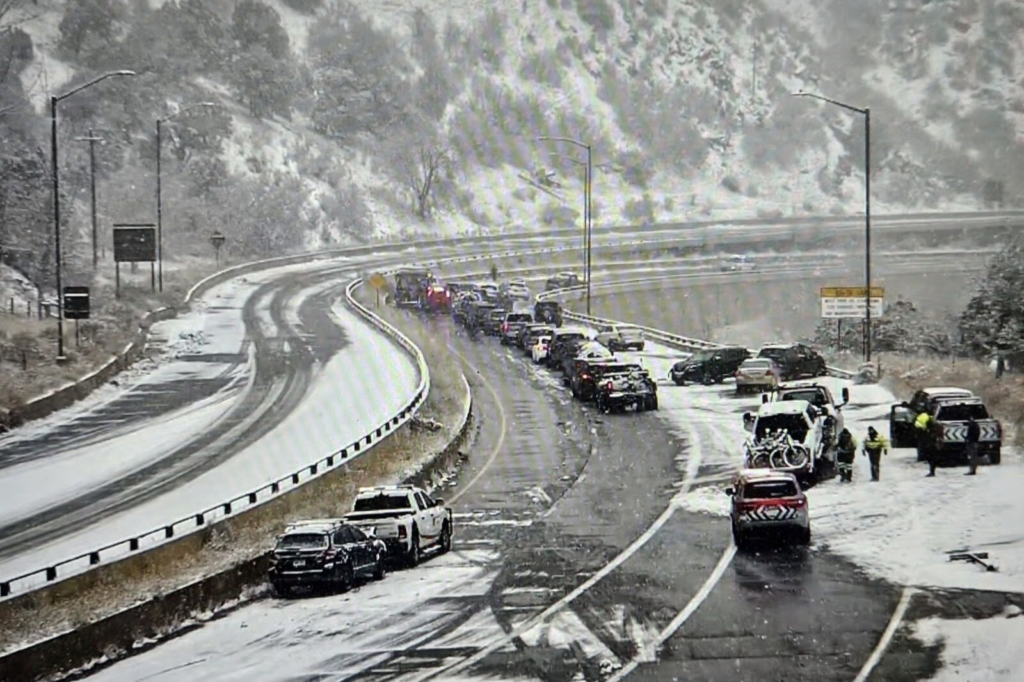
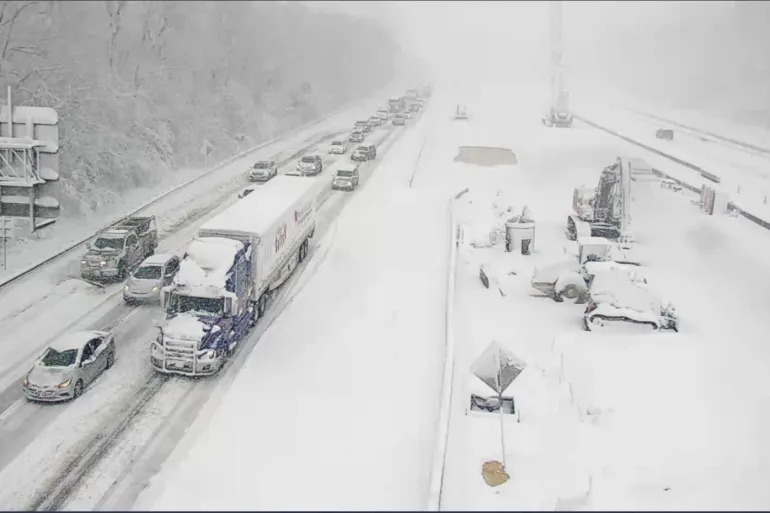
In the winter traffic density is the multiplier. Interstates have many more cars at higher speeds than other roads. For example, when it snows or sleets, this combination creates a perfect opportunity for a chain-reaction accident to happen.
Even small braking errors quickly propagate. One car’s losing traction on icy roads can lead to several vehicles having incidents in a few seconds. When the roads are lightly populated, vehicles tend to ride at a lower speed. In contrast, on the interstates, the normalization of speed often keeps going regardless of worsening winter road conditions.
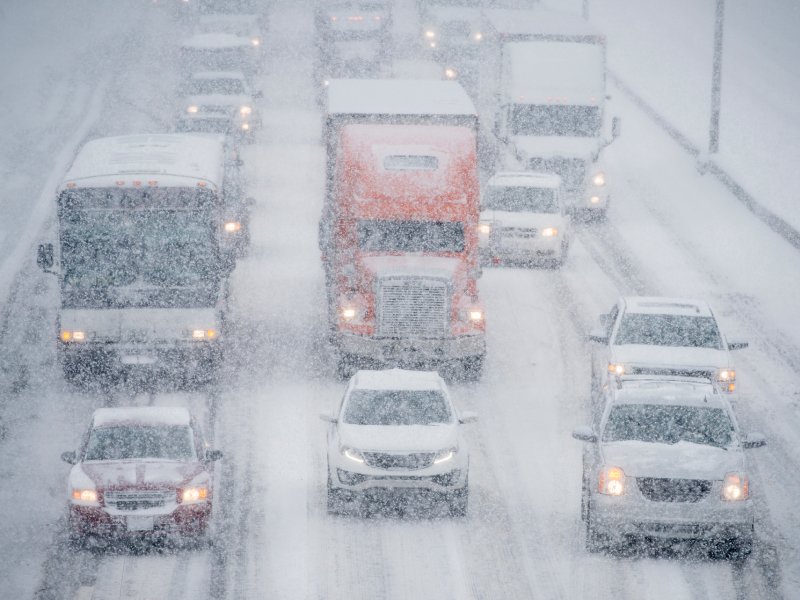
Traffic doesn’t mean safety – it often has the opposite effect, making winter driving riskier.
Interstate vs Secondary Roads in Winter Conditions
| Factor | Interstates | Secondary Roads |
| Average speed | High | Low |
| Traffic density | Heavy | Light |
| Snow removal priority | High | Moderate |
| Ice polishing from traffic | Severe | Limited |
| Multi-vehicle crash risk | Very high | Lower |
This contrast raises a question whether the automatic assumption that interstates are the safest routes to drive in the winter is justified.
Winter Driving Tips on Black Ice | How to Stay Safe on Slippery Roads
Wind Exposure: The Hidden Interstate Hazard
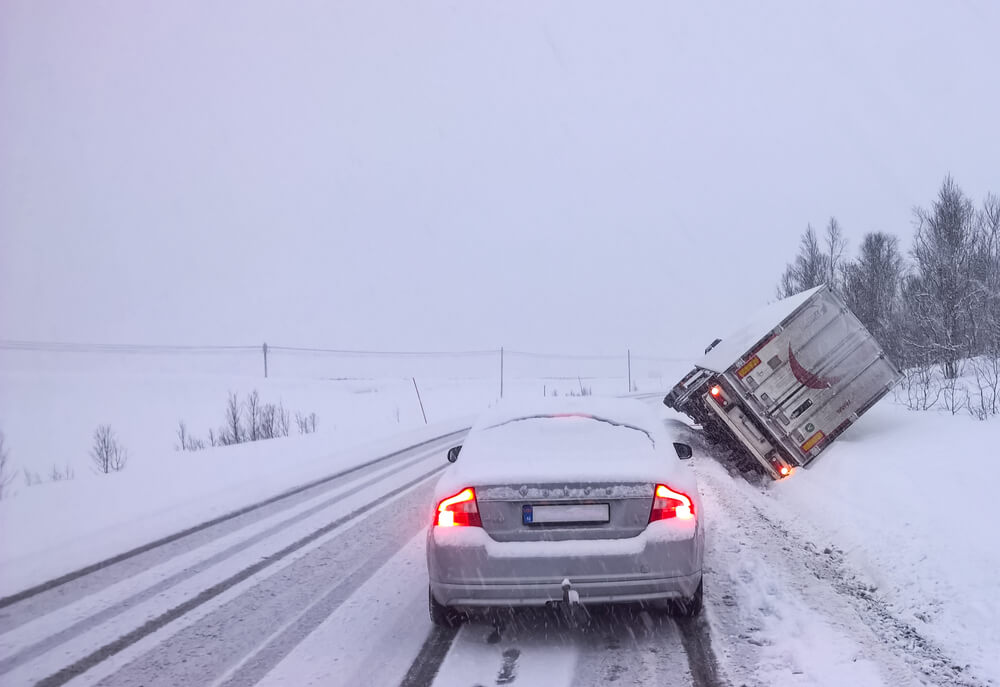
Wind exposure is the hidden interstate road hazard that has not been regarded before. Interstates are made for fast travel not for protection. They are long, for the most part, straight, and elevated, and offer a couple of highways in open fields which makes the highways vulnerable to crosswinds during a winter storm.
Empty or lightly loaded trailers are at a higher risk. The sudden wind gusts can lead the trailer to be unstable and may also turn it over. On the other side, secondary roads provide natural protection from trees or buildings which is a huge help in the winter.
Many winter crashes that happen are on “clear” highways with good visibility simply because they have high lateral forces – this is one of the most prevalent misunderstood highway myths.
Winter Interstate Segments High-as-Risk
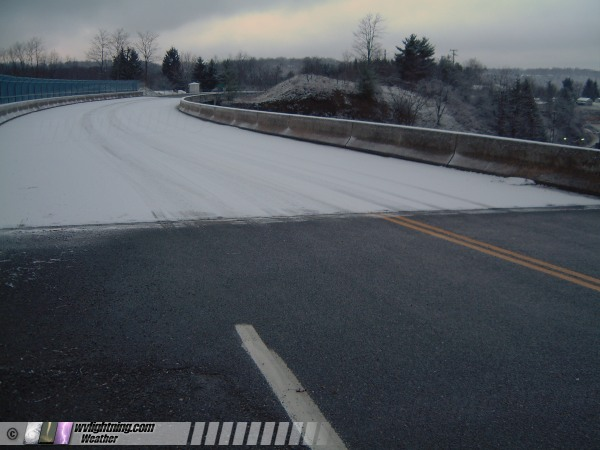
Road safety statistics – bound areas that need heightened caution are stated below:
- Bridges and overpasses (frequent black ice formation)
- Open fields and elevated corridors
- Long straightaways after curves
- Entrance and exit ramps
- Construction zones with narrowed lanes
Acknowledging these zones is a very important part of the effective road safety hints during the winter operations.
Snow Removal Reality: Cleared Does Not Mean Safe
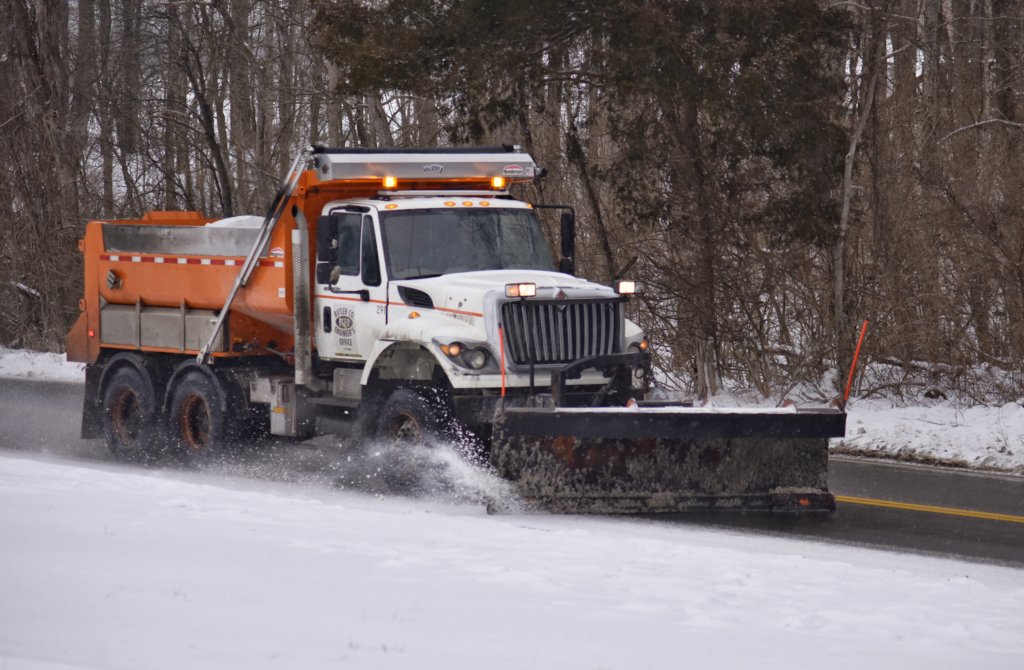
The main goal of the snow removal process on interstates is to keep the traffic rate around the normal value. Not to mention, returning the road to the best conditions is not the first priority. Blades on trucks and salt spreaders are working under a lot of pressure and a lot of constraints from the heavy traffic.
Thus, interstates often get:
- Polished ice from constant traffic
- Packed snow between lanes
- Slush that refreezes after sunset
- Uneven traction across lanes
The decision of drivers to treat the visible pavement as a safety issue is incorrect as the existing friction is still dangerously low – the most widespread winter driving myth that has been disapproved.
Winter Surface Conditions Drivers Commonly Misjudge
| Visual Condition | Actual Risk |
| Wet-looking pavement | Black ice |
| Dark traffic tracks | Polished ice |
| Slushy shoulders | Refreezing runoff |
| Recently plowed lanes | Reduced friction |
Awareness of these dangers is the very foundation of winter driving safety.
Emergency Response: Faster on Paper, Slower in Reality
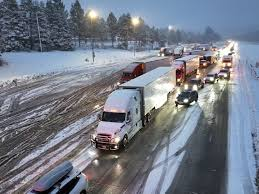
The common belief is that emergency response vehicles are most frequently on interstates gang but it doesn’t happen always in winter.
High traffic volumes can block the paths to the emergency vehicles. Oftentimes several events happen in a row during storms which make the system crash. Vehicles may have to wait for several hours between exits, increasing their chances to drive in bad conditions.
While on secondary roads, drivers are controlled to make stops or can recover themselves, sometimes it can be futile saving if they are sitting helpless on the highway, which is blocked with traffic.
When It’s Safer to Leave the Interstate
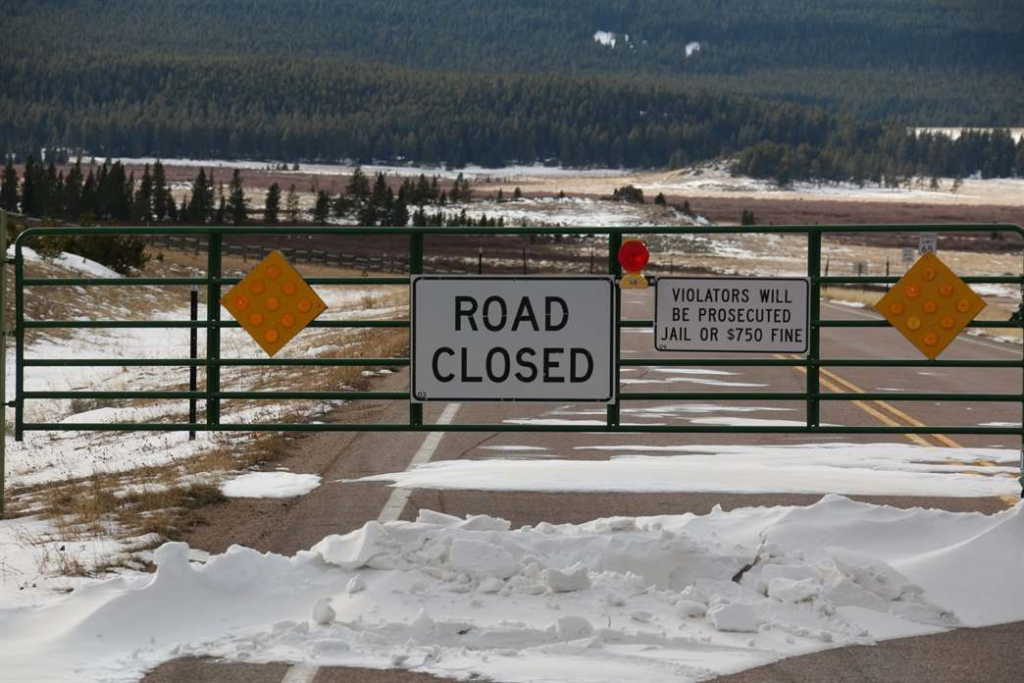
Driving in winter is flexible. That’s why for some conditions leaving the interstate completely reduces risk and enhances safety.
For example, bottoms of the key scenarios possible that:
- Traffic maintains a high speed despite snowfall
- Visibility suddenly drops
- Strong crosswinds affecting trailer stability
- Repeated hard braking events
- Stop-and-go congestion fo
Knowing when to exit is one of the most practical safer driving tips during unstable winter conditions.
Conditions Where Interstates Are Not the Best Choice
| Condition | Better Option |
| Heavy crosswinds | Sheltered routes |
| Freezing rain | Delayed departure |
| Dense traffic | Lower-speed roads |
| Whiteout risk | Controlled stop |
| Black ice reports | Reroute or pause |
Driver Psychology: Familiarity Breeds Risk
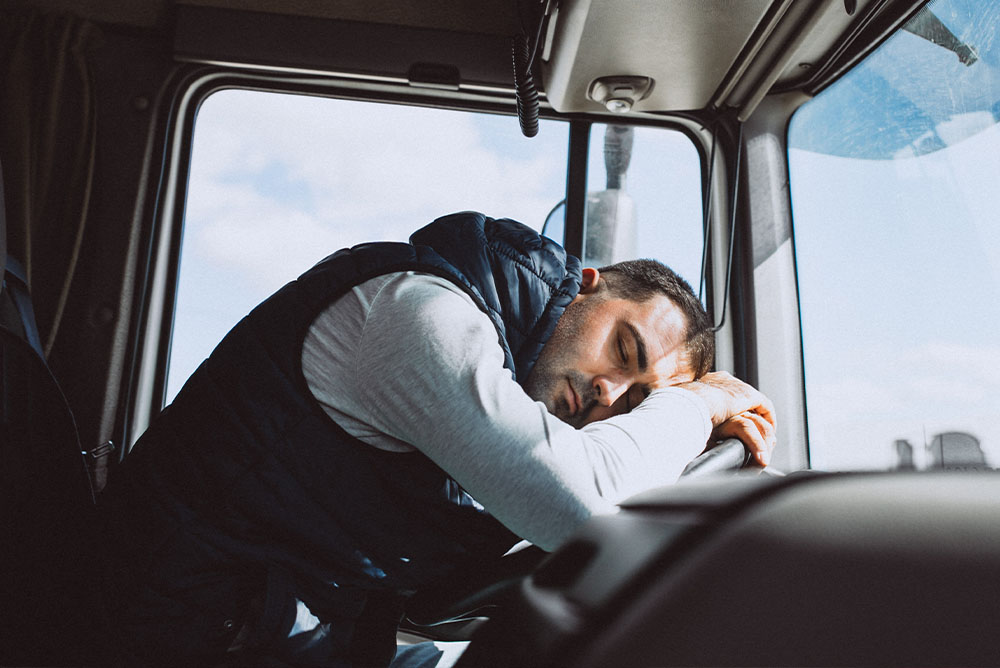
One of the most overlooked aspects of winter interstate safety is psychology. Familiar roads encourage relaxed posture, delayed caution, and reduced scanning.
Drivers unconsciously expect interstates to function normally. Winter punishes this expectation. On unfamiliar roads, drivers often apply stronger safety precautions and adapt faster.
In winter, safety depends more on mindset than road classification.
The Role of Decision-Making in Winter Trucking
Professional winter driving is not about rigid rules-it’s about adaptive judgment. Experienced drivers prioritize:
- Surface friction over lane width
- Wind exposure over signage quality
- Traffic behavior over road status
These principles help dismantle common driving myths and support safer choices during highway travel in winter.
Summary: Why the “Main Roads Are Safer” Myth Persists — and Why It Fails in Winter
The belief that interstates are always safer exists because it works most of the year. Winter breaks that rule.
Interstates concentrate speed, traffic, wind, and false confidence into one environment. When traction disappears, these advantages become serious liabilities.
Smart winter operations are not about choosing the biggest road, but about choosing the safest driving routes based on real-time conditions.
Sometimes that means slowing down.
Sometimes rerouting.
And sometimes leaving the interstate entirely.
Understanding the realities of driving in snow is essential for reducing risk on both major highways and secondary roads. Understanding and debunking these winter driving myths is one of the most important road safety tips for professional truck drivers operating in winter.
FAQ
1. Is it true that primary routes are always safer than side roads during winter?
No. Though highways are granted priority for snow removal, adverse meteorological conditions such as black ice, crosswinds, and heavy traffic can make the main routes more perilous compared to secondary paths. In the winter, the road safety is dictated more by the immediate conditions than the road category.
2. Why do highway roads take on more risk during a winter blizzard?
Highways create the perfect environment for fast movements, heavy vehicles, and exposure to wind. These witnessed factors, during the winter weather driving, contribute to a higher percentage of multi-vehicle accidents, loss of control, and delayed emergency response.
3. Is driving snow safer on heavy traffic roads?
Not particularly. Dense traffic has a reaction time that is not enough and it can be more than one case of chain reaction crashes on icy roads. In winter driving conditions, it is the opposite of logic that the density of traffic increases risk.
4. What is the effect of black ice on highway safety during the winter season?
Black ice is one of the most treacherous driving hazards in the winter because it is nearly invisible. On highways, regulated traffic can be responsible for the icing, which, besides, can worsen the traction even if the road seems to be clear.
5. When should a truck driver think about taking a different route instead of the interstate in winter?
A driver should consider giving up the interstates when the sturdy crosswinds create trailer instability, visibility drops steadily, traffic maintains the unsafe speed, or repeated hard braking occurs. Taking a detour or stopping short could greatly increase the safety of winter travel.
6. Are side roads always the better option than the interstate during winter?
There are no roads that can be labeled as safe during winter. Side roads might have the advantage of lower speeds and natural wind protection but they can also be poorly maintained and lighted. Good winter driving is a product of successive evaluation rather than rigid preferences on roads.
7. What are the most highly believed winter driving myths regarding highways?
Common highroad myths include the idea that plowed roads assure traction, that off-ramps on a wide lane are going to help the driver steer back, and that help from the EMS is always within the vicinity. These myths, which are untrue in the winter, often result in increased risks of winter driving.
8. What is the core skill of interstate driving during the winter?
Decision making. The skillfulness of the winter driving is in the sharp observation of road, finding proportional weather, understanding traffic, and knowing the favorable speeds, alternatively routes, or only stopping in time. The experience does count but the right decision is the main safety measure for the drivers.
These examples show that winter travel safety depends on real-time conditions, driver judgment, and the ability to reassess routes rather than relying on road classification alone.
Understanding how traffic density, wind exposure, and surface changes interact helps drivers better anticipate winter driving dangers before they escalate into critical situations.
Recognizing and avoiding false assumptions about highways significantly reduces winter driving risks, especially during storms, freezing rain, and rapidly changing weather conditions.