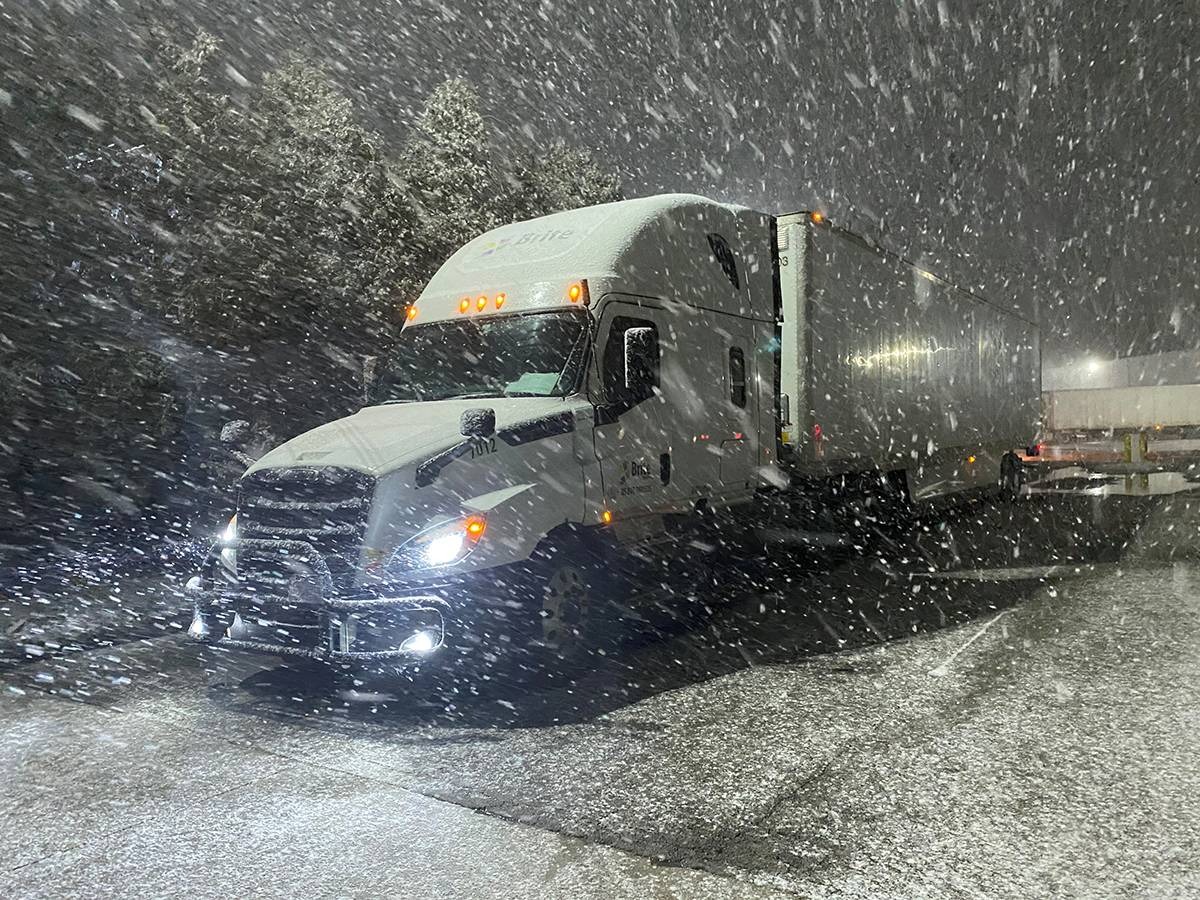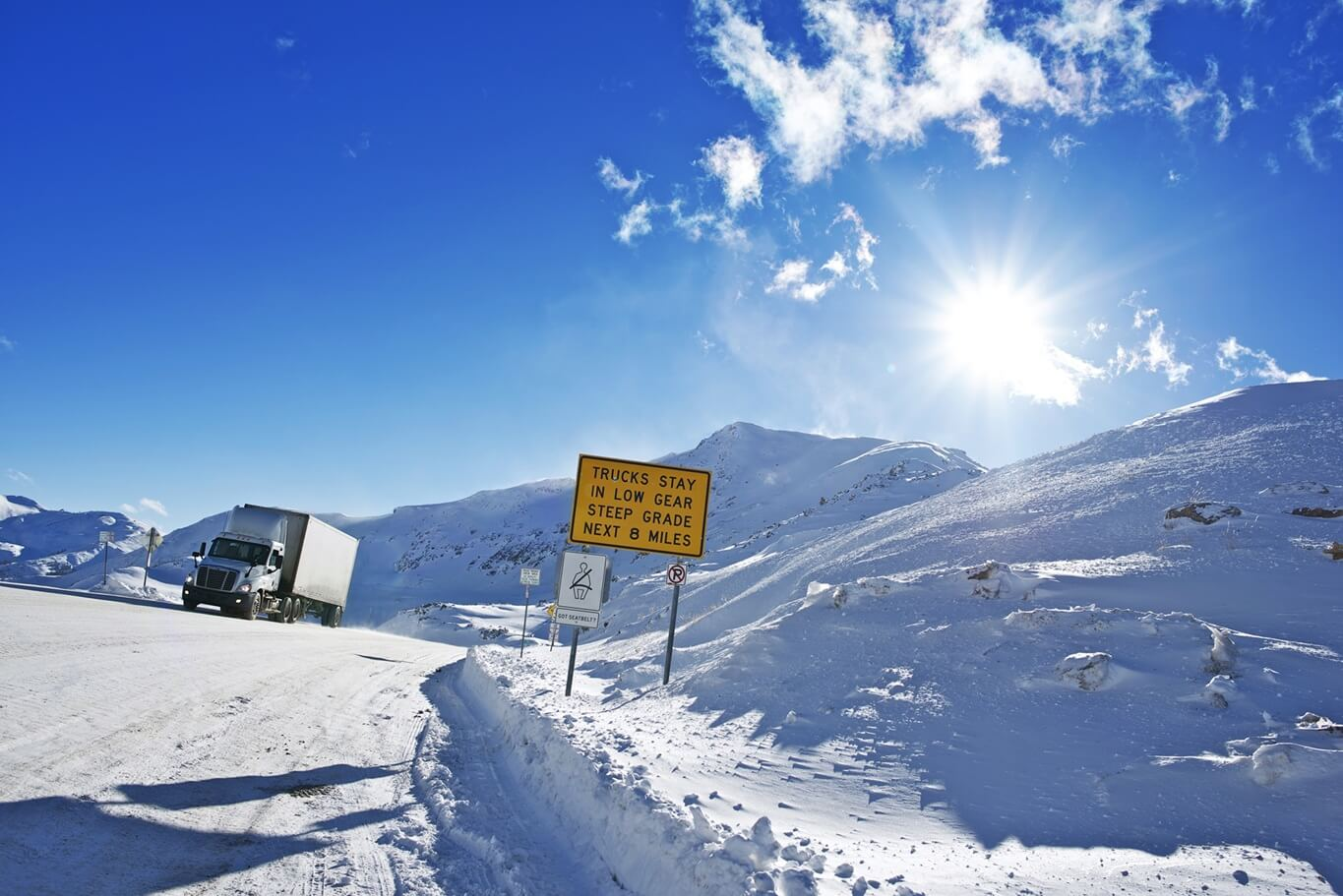
Winter is the time of year when you make mistakes that can be the result of others not being able to see them throughout the year. The downhills and the uphills that you have practiced in dry conditions are now the high-risk zones along with snow, ice, and freezing temperatures. The truck drivers do not consider these grades just challenging but also the point where many of the most serious winter incidents begin. These seven mistakes are among the most common mistakes drivers repeat every winter, and in snowy conditions they often turn into truly deadly mistakes.
The issue is not that drivers lack experience. A lot of winter errors arise from the fact that instead of driving safely and adapting to the weather drivers unconsciously rely on the summer driving. The icy conditions do not know about the experience, and there is no error margin left for corrections. A wrong choice on a steep slope only once can cause slipping, loss of control, jackknifing, or run away situation. Understanding winter hazards early is essential for staying safe and avoiding injuries during cold weather operations.
The article presents you with seven dangerous mistakes of winter driving on downs and ups; it gives a reason for the causes and instructs you on how best to practice and prevent all physical and financial damage during the operations in cold weather. These seven mistakes explain how to run grades safely in winter, focusing on running safety rather than speed.
Mistake #1: Treating Winter Grades Like Summer Grades
One of the most common winter mistakes is to think that the downhill or uphill is the same every time one is familiar with it. It is rain-slicked and slippery when it is icy snow. It is temporary and is not a permanent condition. What you could deal with easily in October stands you on your head in January. This mistake affects both downhill running and uphill running, especially in snowy conditions where traction changes constantly.
On the downhills, the loss of traction occurs more quickly, and options for recovery are limited. There can be an instant wheel spin on the ups and thus break the momentum for the drivers to suddenly stop unsecurely. By following the example of the summer driving program, drivers approach the winter grades with a mindset that is right but is not based on the facts—very little grip to work with.
Common winter grade hazards include:
- Snow-packed surfaces
- Black ice on downhills
- Reduced traction on uphills
- Changing road surfaces mid-grade
Best practice:
Winter running—meaning vehicle movement in winter—needs resetting. Decelerate a little faster than normal, choose the right gear a little earlier, and regard the braking distance as significantly longer. Learning in winter training is much more important than at the top of the hill learning to downshift. These winter running tips help drivers avoid injuries and reduce the risk of falling or sliding on steep slopes.
Mistake #2: Braking Too Late on Downhills
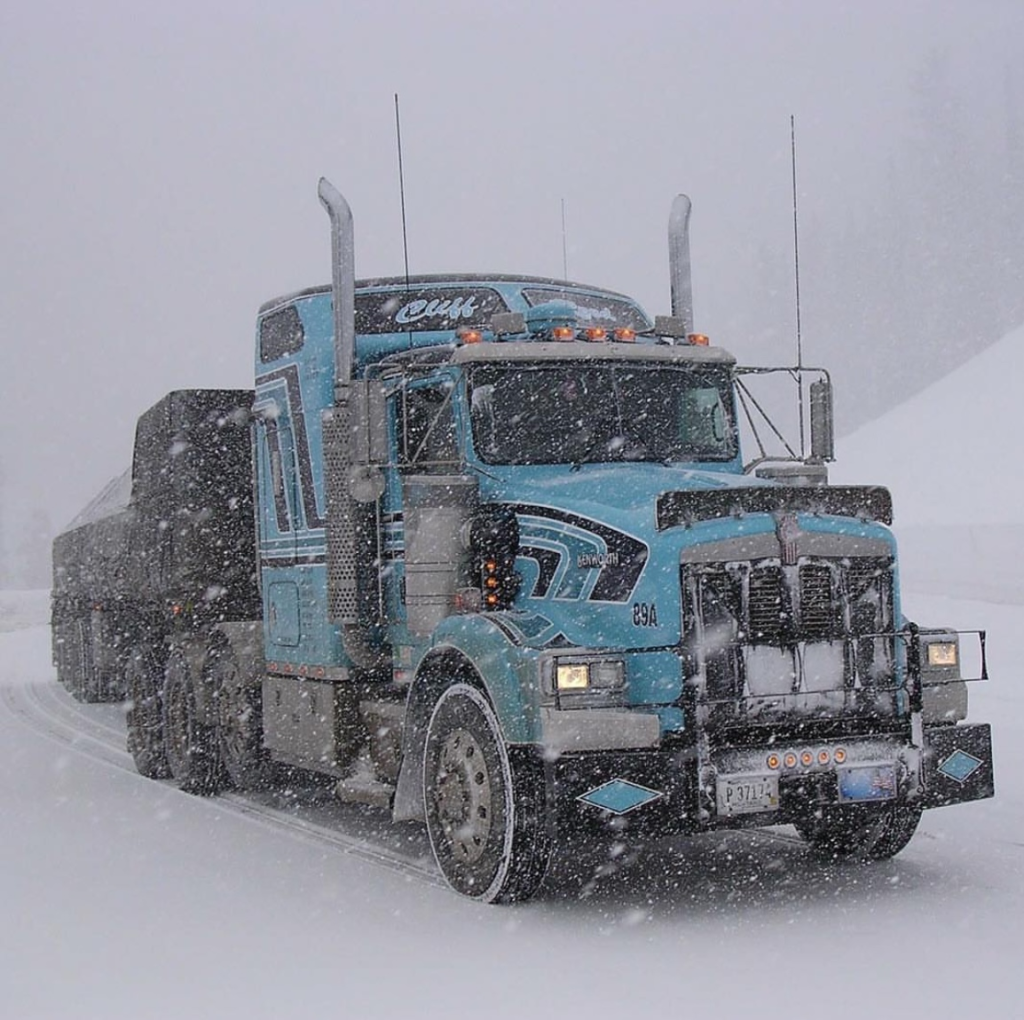
In the game of downhill running in winter, gravity becomes the enemy. Just one of the most grievous mistakes is braking late or aggressively when the truck is already committed to the slope. In cases of black ice, particularly heavy braking tends to cause the opposite effect: the tires slip instead of slowing down. This is one of the deadly mistakes that frequently leads to slipping and falling incidents in icy conditions.
Once the tires lose their grip on a downhill, very few things can be done to recover the situation. The tires may lock, the trailer may push the tractor, and steering may become ineffective. Many of the risks during winter are not just due to speed but also because of the driver’s braking late.
Best practice:
Prevent the speed from taking over just before you enter the downhill. Use engine braking gently and in time. No sudden pedal inputs must be used. A winter driving technique supports stability before speed. If a hard brake is felt as a requirement, the mistake was already done before. Following these best practices improves running safety on steep winter grades.
Winter Grade Risk Comparison
| Situation | Primary Risk | Typical Outcome |
| Downhill in icy conditions | Loss of traction | Slipping, loss of control |
| Uphill in snowy conditions | Wheel spin | Loss of momentum, unsafe stop |
| Mixed surface grade | Sudden traction change | Jackknifing or lane drift |
| Late braking on downhill | Locked wheels | Trailer push |
Mistake #3: Overpowering Uphills Instead of Managing Traction
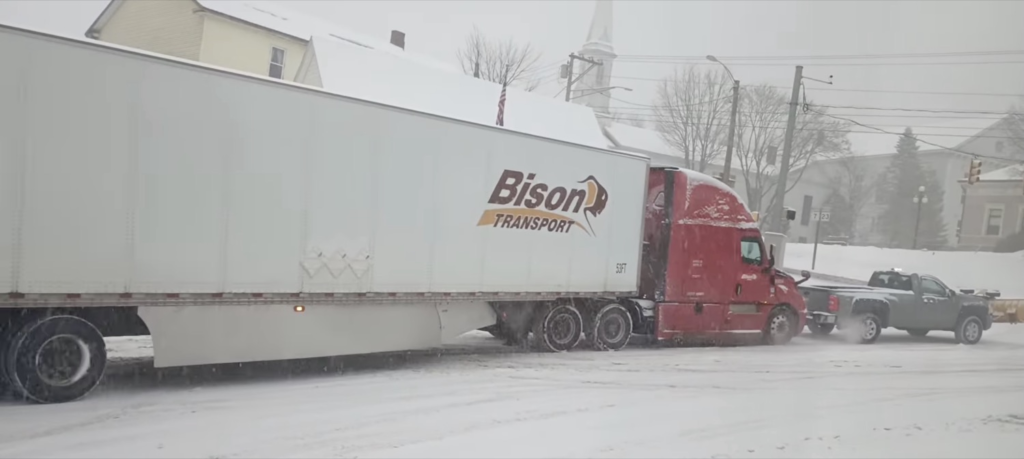
Climbing mistakes of the winter season are often related to the power of supering using up snow than actually steering traction. The application of a large throttle on a slope of snow can cause the spin and loss of the back of the truck, and the truck may move across the lane. This error is especially common during uphill running in cold weather running conditions.
When traction is broken on an uphill, it is not easy-giving up to it the wheels are hard. Stopping at the graded section on winter is like creating the risk of rollback and blocking traffic.
Best practice:
Use a steady, controlled throttle. Select the correct gear before you start the climb. Cold weather running for trucks is about maintaining momentum without overwhelming available grip. Smooth inputs protect both tires and drivetrain while improving safety. Proper traction management is a key part of winter running tips for steep slopes.
Mistake #4: Ignoring Road Surface Changes Mid-Grade
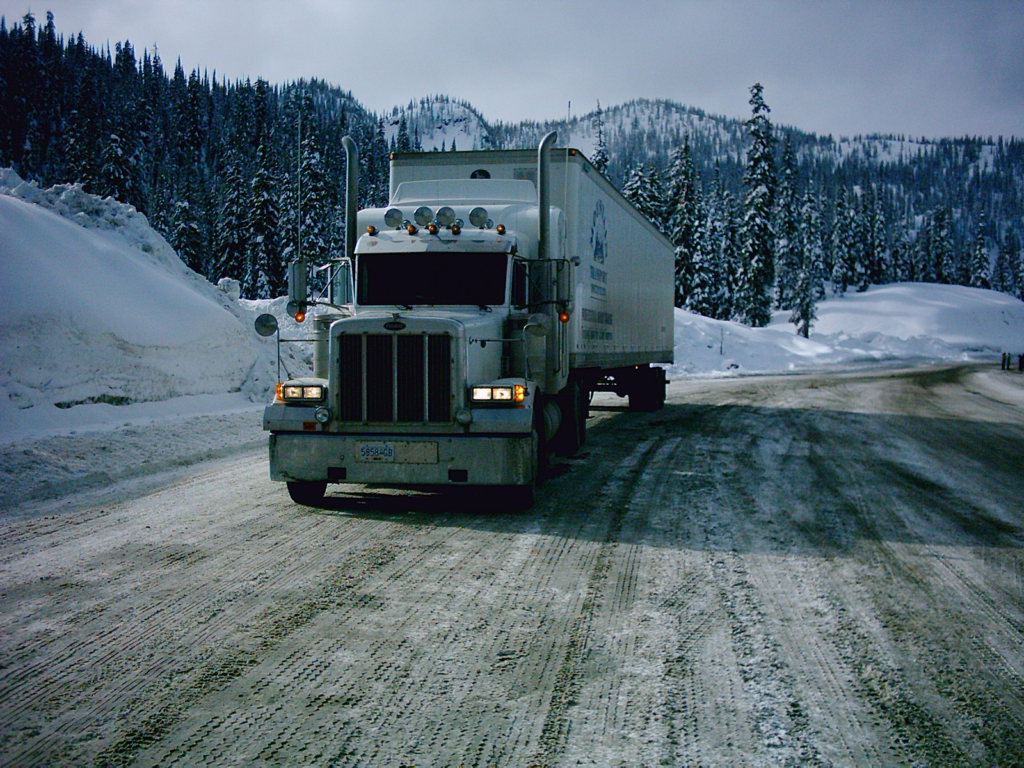
Winter road conditions seldom remain the same throughout a slope. A downhill can begin wet, it can change to icy under tree cover, and it can end snow-packed. Those who assume a uniform traction system will get caught off guard. This problem is common on routes similar to trail running environments, where treatment is inconsistent.
This mistake is especially dangerous on mountainous and within unenforced roads—roads meant to have less traffic, be less treated, and expose more. Slips and falls are often caused by drivers not taking care to anticipate the micro-changes in surface conditions.
Best practice:
Scan a great scratchahead and expect the worst, not the best. Shade, bridges, curves, and elevation are the real winter crappers. In order to keep yourself safe, you should adjust your speed continuously and not just set it once. Anticipation is one of the most effective ways of staying safe in winter hazards.
Mistake #5: Relying Too Much on Automation and Assistance Systems
Modern trucks have automatic braking, stability control, and traction control. Though helpful, these systems do not run contrary to physics. A killer mistake is to believe technology will compensate the driver for poor performance in a downhill or uphill drive. This is among the common mistakes drivers make when they underestimate winter hazards.
When it comes to the snowy weather conditions, assistance systems can either discharge their functions unpredictably or take away driver control at the hysteresis. Expectations precede punishment when it comes to the overreliance.
Best practice:
Think of the technology as a backup, not a strategy. Winter training should teach gear selection, manual control, and anticipation. It is crucial for safety in the long run, to be able to drive the grade below electronic intervention. Manual control remains essential for running safety in winter.
Mistake #6: Failing to Adjust Following Distance on Grades
Climbing or climbing down while keeping the summer following distance is another common winter mistake. On downhills the reduced traction increases braking distances a lot. The speed change on the uphill can cause the crash. This mistake increases the risk of falling into emergency braking scenarios on icy roads.
In icy conditions, a delayed reaction to the preceding vehicle often results in the hard brake which is the same situation that leads to the slip and the loss of control.
Actions that increase winter grade risk:
- Late braking
- Aggressive throttle
- Relying on automation
- Keeping summer following distance
Best practice:
Heavily increase following space before entering the grade. This will allow you to respond all too smoothly. The running technique in winter is not meant to be pressured; it is about the right timing. One of the simplest ways to prevent injuries and machinery damage is by keeping extra space. Extra spacing is a proven winter running tip for steep slopes.
Mistake #7: Skipping Post-Grade Recovery and Assessment
Thus, some drivers tend mentally “to check out” after they finish a downhill. This is a big mistake during winter. On the tires, snow may have packed, brakes, may have overheated and visibility, may have been affected. Post-grade fatigue increases the chance of falling into another mistake immediately afterward.
Skipping recovery is a step taken toward the follow-up incidents, especially on the rolling grounds where there can be a number of steep slopes close together.
Best practice:
After one major downhill or uphill, take a moment to readjust. Create a gentle test of braking response. Be watchful for any changes in handling. The safety of winter running not only accounts for what happens during the grade but also what happens after.
Why These Mistakes Become Deadly in Winter
Winter is a time that makes small errors big. The downward pull of gravity, less traction, and fickle weather mean the driver has little breathing space of safety. What would be a little mistake in the summer now at the snow or ice becomes serious. These deadly mistakes often repeat because drivers underestimate winter hazards year after year.
Yeah, who would have thought that the wrong choice of decision could land one in a good or bad situation? Well, they are just tiny habits spoken in the wrong language. The turning from one state to the other is a matter of running technique and knowledge of the dangers in winter.
Best Practices vs Consequences
| Action Taken | Result |
| Early deceleration | Improved stability |
| Correct gear selection | Controlled descent or climb |
| Increased following distance | Reduced emergency braking |
| Post-grade assessment | Prevention of follow-up incidents |
Exercising the Correct Approach for Winter Grades
Winter truck driver training is not about fear, but about respect. Respect for physics, for conditions, and for the limits of the equipment. Uphill and downhill running in winter requires a calmer, more deliberate approach. Consistent winter training improves fitness, endurance, and long-term running safety.
Practices that improve winter grade safety:
- Engine braking before grades
- Smooth throttle control
- Continuous speed adjustment
- Post-grade recovery checks
Physical fitness and endurance are also important. Fatigue increases reaction time and reduces coordination. Staying physically prepared helps drivers keep up the level of precision when conditions require it most.
FAQ
1. Why are downhills more dangerous than uphills in winter?
Downhills are highly susceptible to accidents in the winter because gravity is the enemy of traction. Along the icy or snow-covered slopes, braking becomes extremely ineffective, and just a little misjudgment of the vehicle speed can lead to skidding or the driver losing control. Upshills don’t cause this kind of problem; when the vehicle loses traction, it usually goes slower instead of getting out of control, Downhill driving at high speeds can turn into a situation where trailer push, jackknife, or runaway are the outcomes, if there is a lack of early speed management.
2. How should a driver adjust running technique on winter grades?
Running technique in winter conditions on grades should be prioritized on anticipation rather than reaction. This entails slowing down before the start of the slope, choosing the proper gear at the beginning, and releasing gear instead of kicking the gas. The sliding throttle helps to keep traction and the road safer,particularly at curve driving, which has high level of uncertainty with sudden changes of weather.
3. What role does following distance play on snowy and icy slopes?
On winter grades, following distance is crucial since stopping distances increase considerably in snowy and icy conditions. On downhills, reduced traction limits braking ability, whereas on uphills sudden speed changes can activate emergency braking. Moving space ahead alleviates the pressure for drivers to alternate foot reaction and, consequently, driver slips or falls incidents descrease.
4. Can modern safety systems fully protect drivers on winter hills?
Guides like traction and stability control can definitely support drivers, but they can’t really ‘fly’ the drivers’ car. In addition, depending on machines too much when in winter causes drivers to lose their intuition or drop false belief. Taking manual control, making the right choice of gear, and drawing from past experiences are the key factors for ensuring a good performance during winter downhill as well as uphill driving.
5. Why is post-grade recovery important after winter slopes?
After managing a steep downhill or uphill drive in winter conditions, the condition of the vehicle and the alertness of the driver can be lower. Snow can get stuck in the tires, brakes can be overheated, and fatigue can make reaction time longer. A short post-grade examination can help identify changes in the handling of the car and correctly diagnose the problem that can prevent future incidents especially in cases of multiple steep slopes situated together on the route.