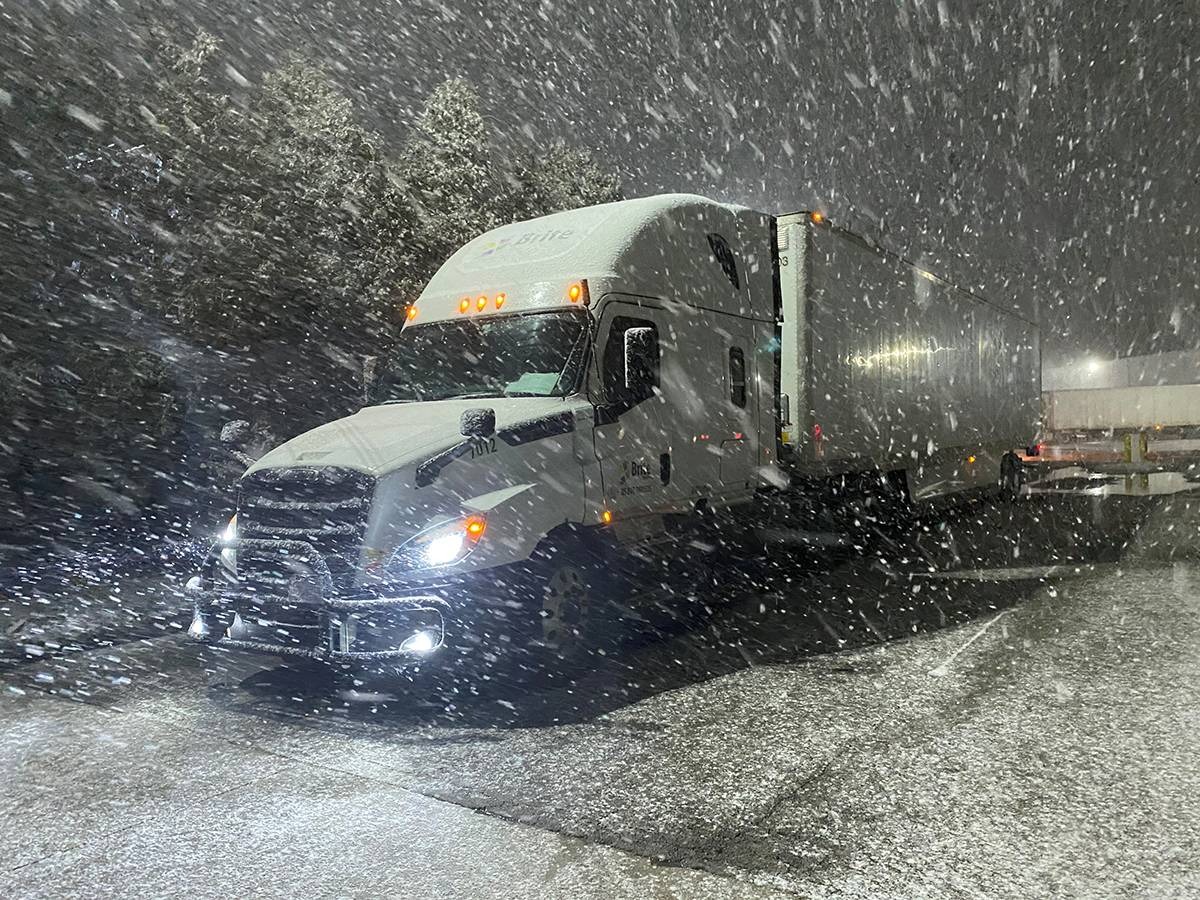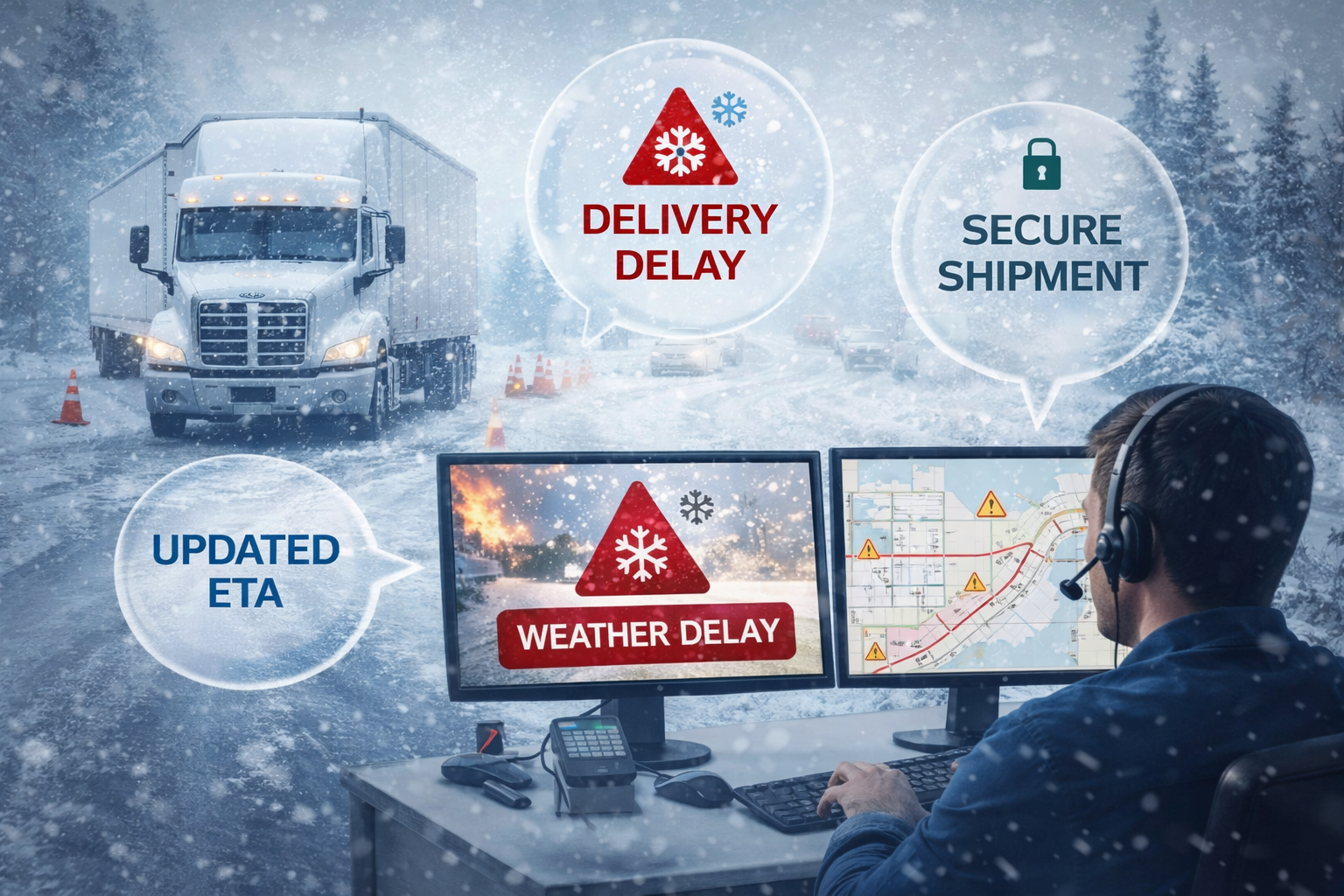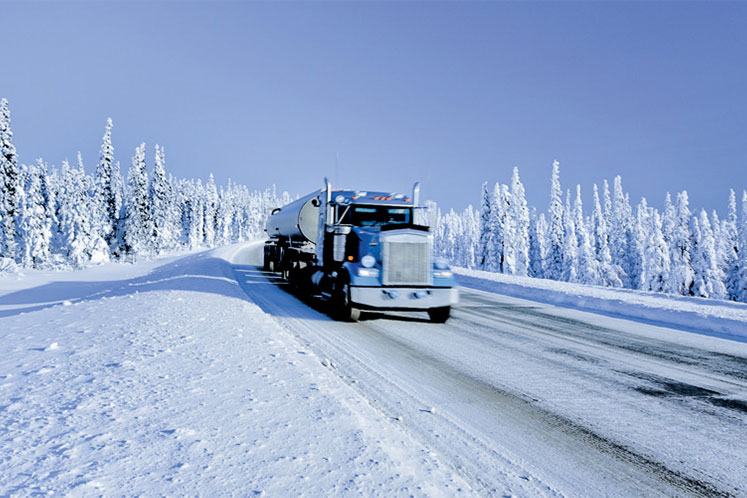
Driving in the winter can be tricky for a beginner driving since they have to deal with snow, ice, and poor visibility due to different road rules that turn simple decisions into significant ones. For new truck drivers, it is not just about learning to drive in winter but also about knowing how to use chains, which parking spots are appropriate, and what stopping rules to follow that impact directly on fines, safety, and trip continuity.
For many beginners, these frequently asked winter questions appear only after the first serious winter trip, when winter hazards become impossible to ignore. Applying practical winter driving tips early helps reduce stress and improves overall winter vehicle safety.
The following guide addresses all the questions that are most common for the newbies about winter operations. This guide deals with real-life tips on winter driving, the use of chains, parking restrictions, and the conventional stopping rules that are practiced while driving trucks in snowy and icy conditions.
The information below focuses on winter road safety and real driving in snow advice rather than theory.
What Is the Divergence Between Winter Driving and Truck Driving?
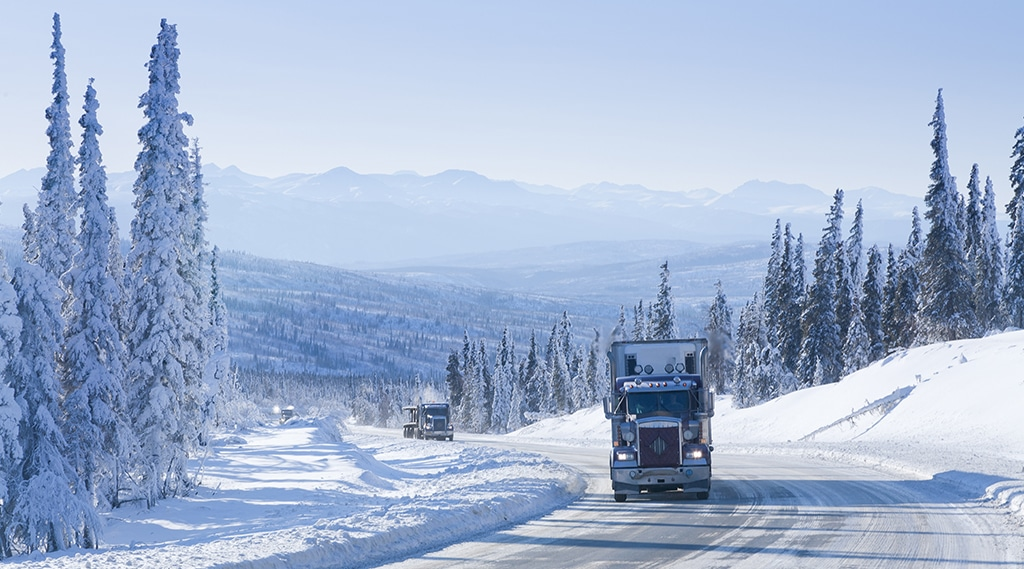
The effects of winter driving on how vehicles move are completely different. The friction is lesser when you have ice and snow and so the stopping distances are longer and you have less steering control. A fully loaded truck handles the cold pavement in a radically different way compared to the dry summer asphalt.
Ice and snow driving conditions reduce traction and amplify every small control input, making winter vehicle safety a constant priority.
The new drivers who are making the mistakes in winter driving are often the ones that underestimate the time it actually takes to slow down, the speed of traction loss; and how local winter driving rules affect where and how they can operate. Getting a winter vehicle license is less about speed but more about preparation, anticipation, and compliance.
Understanding basic ice driving basics allows beginners to recognize winter hazards before they escalate.
Winter Driving Safety: Introduction
When Are Snow Chains Mandatory?
Snow chains are necessary when makanaka authorities send out chain controls. These controls are usually on mountain passes, steep slopes, or snow-laden areas. For instance, signs that show “Chains Required” and “Chains Required Except 4WD” are mandatory to boom down the changes.
For the drivers of trucks, chains required usually means:
- All drive axles must be chained
- Sometimes trailers must be chained as well
- Non-adherence to the chain requirement will incur fines or being turned around
Knowing local winter driving laws is essential for winter road safety and uninterrupted trips.
What Are Anti-Skid Chains and How Do They Work?
Anti-skid chains are metal chains or cables that are placed over tires to provide additional traction on snow and ice. They dig into the snow and ice, therefore, reducing wheel spin and giving you better control over the car when driving on ice and snow.
Anti-skid chains play a critical role in ice and snow driving by improving grip during low-speed maneuvers.
However, anti-skid chains have no effect on the speed of a car. They are used to promote the driver for climbing, descending, or braking at low speeds. Beginners have to note that the chains are a safety requirement and not an equipment upgrade.
Understanding how to use snow chains properly is part of responsible winter vehicle safety.
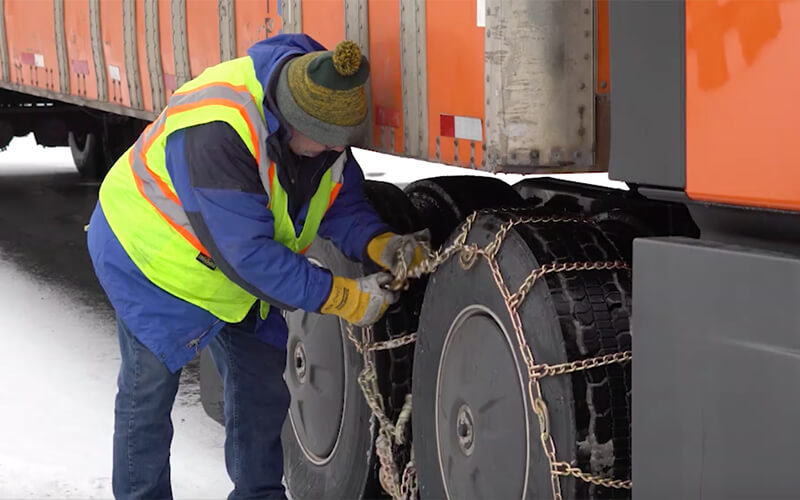
How Do You Correctly Put On Tire Chains?

Putting on tire chains is one of the most stressful tasks for the beginners, especially in the cold weather.
The basic steps for installing a snow chain are:
- Pulling into a designated chain-up area
- Separating chains by laying them flat and removing twists
- Draping chains evenly over the tire
- Fastening the clips tightly
- Driving a short distance then re-tightening
Practicing putting on tire chains before winter starts reduces roadside risk and improves winter road safety. Snow chains installation should never be learned for the first time during a storm.
How to put tire chains on a semi-truck
Are Snow Tires Enough, or Are Chains Still Required?
Snow tires are good to boost traction in the light snow and the cold conditions, but they don’t make chains obsolete; chain controls remain active. Generally speaking, the question of snow tires vs chains is not one option as chains become obligatory when posted.
Snow tires help with everyday winter hazards, while chains are designed for extreme conditions. Knowing the difference supports safer driving in snow advice.
For a better understanding, beginners should know that just having snow tires does not free the truck from chain requirements.
Chains, Tires, and Legal Requirements in Winter
| Equipment Type | When It Is Enough | When It Is NOT Enough | Legal Notes |
| Snow tires | Light snow, cold dry roads | During chain controls | Do not replace chains when posted |
| Anti-skid chains | Heavy snow, icy grades | At higher speeds | Mandatory when chain signs are active |
| Snow tires + chains | Severe winter conditions | — | Safest and fully compliant option |
| No traction aids | Dry winter pavement only | Snow or ice present | High risk, often illegal |
How Fast Can You Drive With Chains On?
Driving with chains is supposed to be at a slower speed. Most manufacturers suggest a maximum of 30 mph. Speeding can result in damages to chains, tires, and suspension parts.
Driving with chains on advice for trucks in snow includes:
- Refrain from quick acceleration
- Avoid making sharp turns
- Keep the throttle steady
- Bear in mind that braking will take longer
Chains will increase traction but they still can’t prevent sliding completely, especially in icy conditions.
Where Can You Park a Truck During Snowstorms?
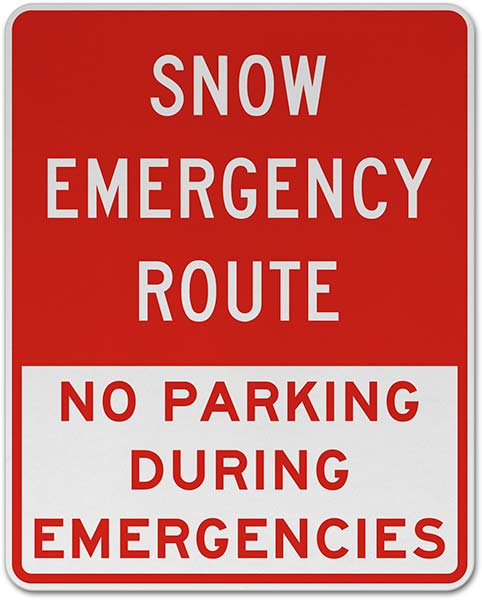
Parking rules during snow storms become stricter; the snow parking regulations of many states and cities whatsoever are meant for snow removal operations.
Snow removal parking rules are enforced to keep plows and emergency vehicles moving.
Some common winter parking restrictions that people generally face include:
- No parking on designated snow removal routes
- Temporary bans when snow emergencies are declared
- Towing the parked vehicles blocking the plows
Snow accumulation parking violations are so expensive and disruptive. Generally, beginner drivers should check local snow parking regulations before disruption occurs.
Can You Park on the Shoulder During Heavy Snow?
Parking on the shoulder during a snowstorm is not only dangerous but also illegal in most cases. Snowplows need the road’s full width to clear, and the parked trucks become hidden obstacles during snow fall. These situations increase winter hazards for both drivers and road crews.
Guidelines for winter road safety strictly discourage shoulder parking in snow. If parking is begotten it should be done using hazard lights, reflective triangles, and not obstructing snow removal operations.
How Does Snow Liaise Stopping Distances?
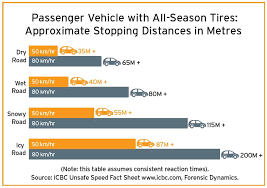
Winter stopping distances are high due to snow and ice conditions. On ice, drivers may experience long stopping times.
Ice driving basics for starters include:
- Start braking far earlier
- Employ a smooth, gradual brake pressure
- Steer clear from panic braking
- Increase your following distance
Winter Stopping Distance & Driver Actions
| Road Condition | Stopping Distance | Driver Action Required |
| Dry winter pavement | Normal | Standard braking |
| Wet cold pavement | Increased | Earlier deceleration |
| Packed snow | Much longer | Smooth braking, more space |
| Ice / black ice | Extreme | Very low speed, no sudden inputs |
| Downhill in snow | Critical | Engine braking + early control |
Understanding stopping distances winter is one of the most important winter driving tips for beginner truck drivers.
Are There Any Mandatory Stop Rules in Winter?
There are mandatory stop rules for all weather conditions. Drivers must obey all signs, including stop signs, weigh stations, chain checkpoints, and inspection points.
Mandatory stop rules remain a key element of winter road safety.
Of course, winter driving laws make arrangements for stopping behavior that is reasonable. Rolling stops; however are disallowed and drivers may roll to the stop first and then go with caution in icy conditions. Adhering to mandatory stop rules due to weather can avert police fines or accidents.
What Are Chain Control Checkpoints?
Chain control checkpoints are places where trucks are inspected for chains safety. Drivers may be required to do the following:
- Show chains
- Install chains before proceeding
- Turn around if unprepared
Chain control enforcement ensures winter vehicle safety across mountain and snow-prone routes.
The chain controls are for safety not convenience. Vacations from the checkpoint should be treated as part of the normal operation in the winter.
How Do You Handle Ice on Bridges and Overpasses?
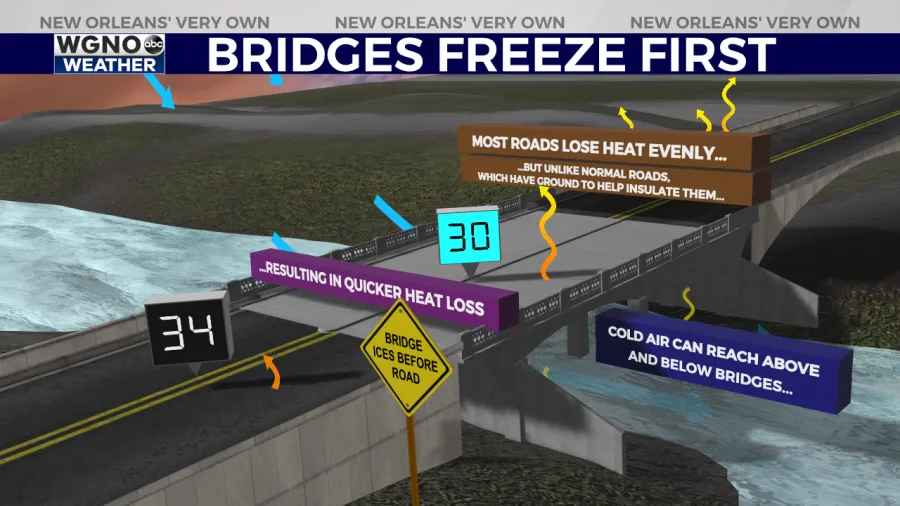
Bridges freeze faster than ordinary pavement. The most common dangers of ice and snow on the bridges are caused by airflow below.
Ice and snow driving hazards are most severe on bridges and elevated roadways.
Driving tips for bridges in the winter include:
- Slow down before entering the bridge
- Do not brake when on the bridge
- Keep the steering in a straight line
- Look out for black ice even if the road seems to be clear
Ice driving remains important because it focuses on being prepared rather than reactive.
What Do Beginners Need to Know Regarding Parking in Snow Removal?
Parking on the road due to snow removal is a peace of road rule. Such a parking violation can also lead to towing the truck without prior notice.
Snow removal parking enforcement is strict during active storms.
The beginner winter driving curriculum should also include looking into:
- Local snow emergency proclamations
- Put up snow removal routes
- Notice board of temporary signages
Snow parking violations consequences are more than that of hotel lodging and parking fees.
Is It Better to Stop Early or Push Through in Snow?
Beginners should know that the better choice is often to stop early. In other words, being tired, overwhelmed, and road conditions deteriorate which lead to an accident at a higher rate.
Winter hazards tend to accumulate quickly during long snow events.
The winter time hazards are cumulative. The main thing is to know when the snowy conditions are bad enough that it could exceed your abilities and make a choice about safety first rather than feel pressured by schedule.
How Can Beginners Balance Winter Driving Risks?
The key to being successful in winter vehicle driving is preparation. Beginners need to:
- Practice tire chain installation
- Learn winter driving interstate regulations
- Keep checking the weather forecast
- Carry winter safety kits
Knowing how to use snow chains and understanding parking rules snow are essential skills for new drivers. The foundation for success in winter driving is preparedness and not confidence.
Final Thoughts: Winter Is a Rules Season
Winter is not just a driving period — it is also a time for rules. Chains, parking restrictions, and stop rules exist to prevent road obstructions while assuring safety. For beginners, gaining this knowledge early on prevents fines, delays, and accidents.
Driving in snow and ice demands discipline, patience, and compliance. Through learning how to use snow chains, understanding where to park, and being aware of increasing distance in snow, winter is no longer a problem but a challenge that can be managed.
Winter driving is not about showing courage. It is all about the knowledge you have, how you prepare, and the discipline you show.