City Winter Checklist: Maneuvers, Interchanges, Narrow Streets, Pedestrian Zones
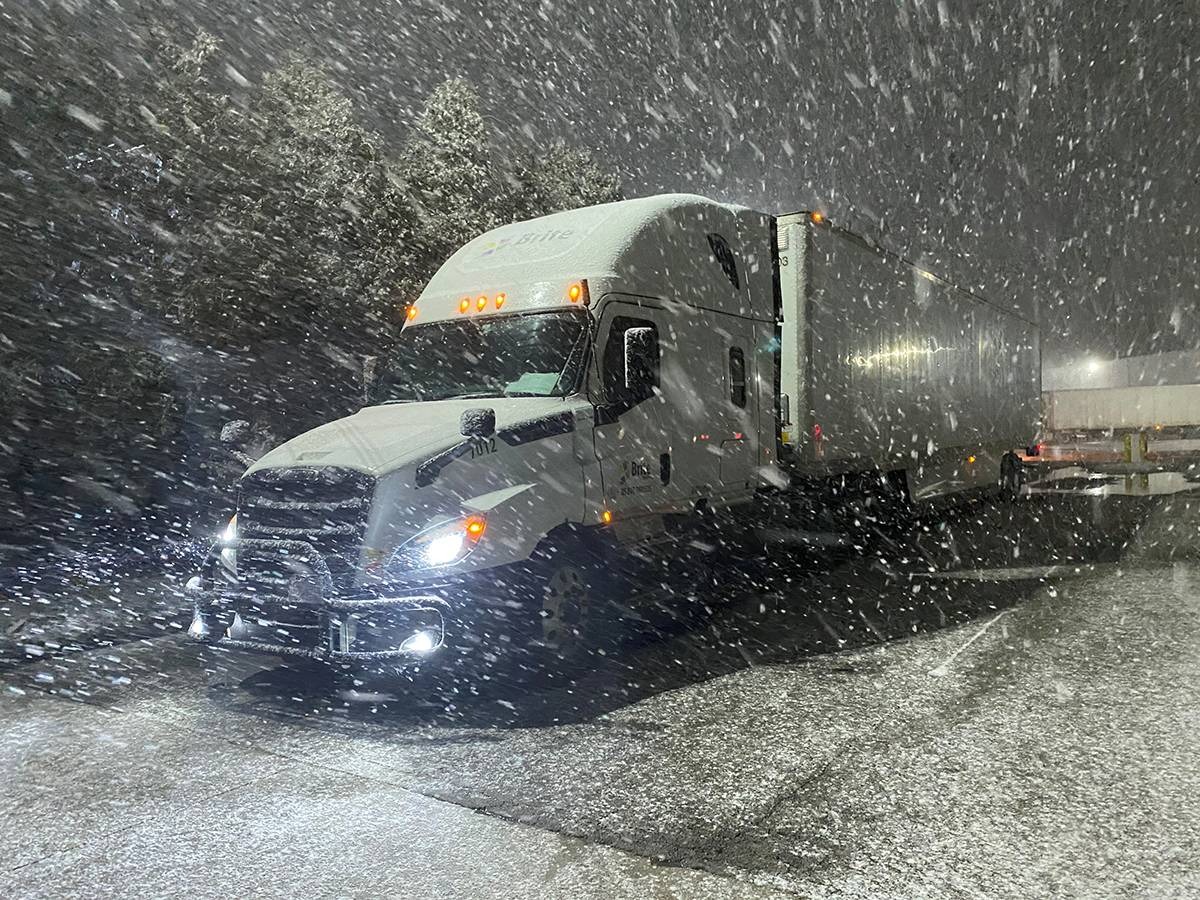
City driving in winter is a completely different form of art compared to highways and rural areas driving. For truck drivers, driving in cities creates more trouble in winter: low ceilings, being exposed to pedestrians, no space to negotiate, obligatory short turns, and disoriented traffic. Urban driving is not only slower but more complicated, has more variables, and requires precise and detailed attention in the face of snow, ice, and freezing temperatures.
City driving winter conditions demand a different level of planning than any other environment.
Winter driving in densely populated areas of cities requires a thorough plan that recognizes winter driving hazards specific to such places.
City winter driving increases risk not through speed, but through limited margins and constant interaction.
The city winter checklist is helpful to truck drivers for the safe transportation of materials in urban areas during the winter through the low-speed maneuvers, interchanges, narrow streets, and pedestrian zones which are the most accident-prone areas. The main factors, which help to avoid accidents while driving in winter in cities, are pre-planning, positioning the vehicle correctly, and following the driving instructions with discipline under the adverse traction and visibility conditions aside from speed.
Keys to safe winter driving in cities are awareness, good planning, and precise driving, which does not depend on the reaction.
Why City Winter Driving Is More Dangerous Than It Looks
Most drivers link winter driving challenges to high-traffic highways and hilly terrain. However, city traffic in winter provides wholly different kinds of risks. The lower speeds that you drive your vehicle in the city, the less precaution you have against making mistakes. For example, if the road is icy, just a little error can result in hitting the curb, damaging parked vehicles, colliding with pedestrians, or even losing control in a subtle way.
Icy roads tips for urban areas focus on minimizing combined steering and braking inputs.
City winter driving is a combination of numerous aggravating factors. These include constantly braking, steering all the time, making sharp turns, slipping on hidden ice patches, and other vehicles pushing you to the edge. Snow piles your lane. Slush hides markings. People, fearing the cold, rush across streets in non-predictable behavior. All these things force a driver to put on a winter driving checklist mode rather than just react to the situation.
Driving in snow within city limits requires constant reassessment of traction and escape paths.
Core Risk Factors in City Winter Driving
- Limited maneuvering space combined with reduced traction
- Frequent interaction with pedestrians in low-visibility conditions
- Snowbanks and parked vehicles narrowing usable lanes
- Hidden ice at intersections and shaded streets
- Pressure from surrounding traffic during low-speed maneuvers
Winter Vehicle Preparation for City Operations
When it comes to driving maneuvers winter, the first step is to tackle body car preparation before cars are on the routes. Urban winter driving takes a heavy toll on the steering, brakes, and low-speed traction. Insufficient preparations turn trivial dangers into severe ones.
Winter car preparation is the foundation of controlled city operations.
A car winter checklist is a key to safe urban traffic in the winter.
A proper vehicle winter checklist should include good tires for winter conditions, fully-functioning ABS and traction systems, clean mirrors and cameras, and fully operable lights. Washers for windshields to be used in too low temperatures are a must for visibility in slush-heavy city conditions. It is also important to check whether or not the brake responds regularly before driving fast on the route in the beginning.
This cold weather checklist reduces risk during the first critical maneuvers of the route.
Winter vehicle preparation is not about simply surviving the cold months but also keeping the vehicle under control while maintaining a steady flow of traffic during stop-and-go conditions.
Winter Driving Tips for Truck Drivers
Vehicle Preparation Elements for City Winter Driving
| Preparation Element | Purpose in City Driving | Risk if Ignored |
| Winter-rated tires | Improve low-speed traction | Wheel spin, poor braking |
| Clean mirrors/cameras | Maintain spatial awareness | Blind spots on narrow streets |
| Functional ABS | Controlled braking on ice | Loss of directional control |
| Winter washer fluid | Clear slush and spray | Sudden visibility loss |
Understanding Winter Road Conditions in Cities
Urban winter road conditions are generally worse than highways. Traffic heat thaws the snow during the day, only to freeze again at night. Intersections, shaded streets between buildings, and pedestrian zones are potential black ice areas. Snow removal is sometimes subpar, resulting in slushy rumbles thinly coating the steering and brakes.
Winter driving hazards in cities are most severe during early morning and late evening hours.
Drivers should assume that every city intersection may have ice on it even if the rest of the road is pretty clear. The winter driving hazards at urban locations are often invisible until the vehicle is already committed to a maneuver.
Driving Maneuvers on Slippery City Roads
Driving maneuvers on ice need a new rhythm. For better results, driving, braking, and acceleration should be distinctly performed. At snowy locations, combined action of the steering and the brake increases significantly the chances of losing grip.
Slippery road maneuvers require separation of inputs and deliberate timing.
Roads traversed with snow must be approached at a speed that is significantly lower than what you would consider safe under dry conditions. You should make turns at a lower speed long before the intersection. When braking, you should do it in a straight line any time it is possible. When you want to exit from turns, it is better to do it gradually in order to free the wheel from spinning.
These snow driving techniques improve vehicle stability during urban turns.
City driving in bad weather necessitates an attitude shift and adopting new ways of doing things. Turning quickly, like wheel inputs, will invariably bring about a loss of control as a result of the different levels of traction created by snow, ice, and slush.
Principles for Slippery Road Maneuvers in Cities
- Separate braking, steering, and acceleration
- Complete braking before entering turns
- Maintain gradual throttle input when exiting intersections
- Avoid sudden steering corrections
- Reduce speed earlier than visual conditions suggest
Interchange Driving in Winter Conditions
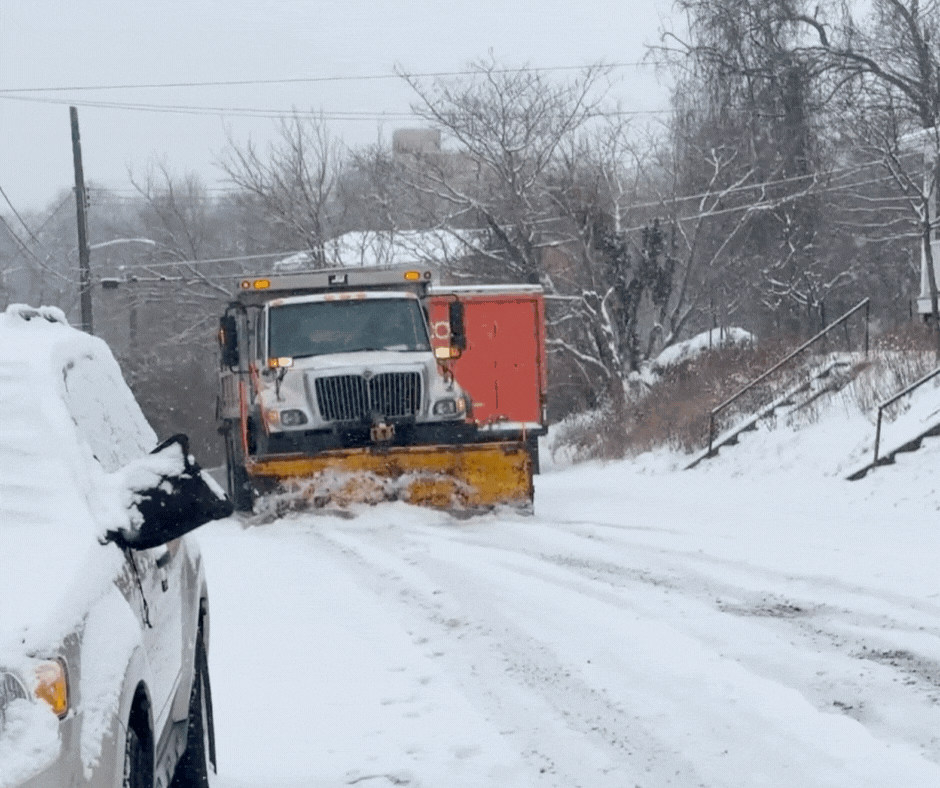
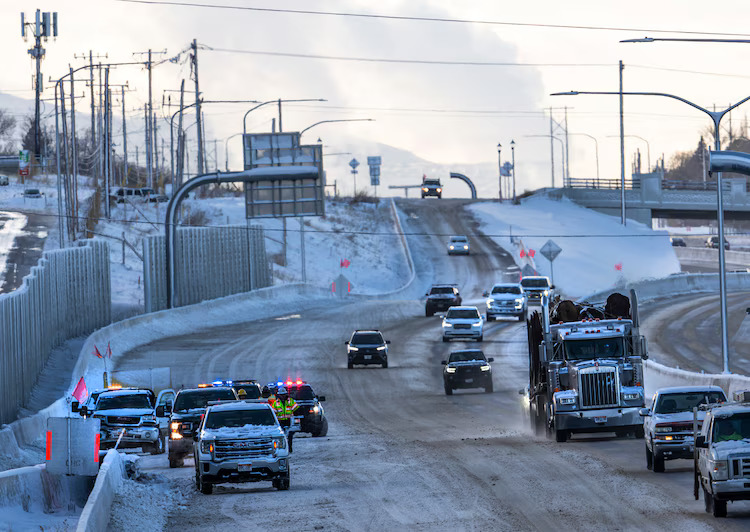
Driving on interchanges in the city is specifically dangerous during winter. Ramps, flyovers, and underpasses freeze sooner than the other roads because of the evaporation and temperature movement. According to the combination of forces, ramps are one of the most dangerous places to drive in winter because they have high lateral force plus reduced traction.
Interchange driving requires conservative speed selection regardless of traffic pressure.
Come into interchanges at a speed lower than what you thought was necessary. Keep a steady throttle through the curve without braking. Avoid lane changes on ramps, especially where snow accumulation narrows the roadway. Ramping up into the city’s traffic flow requires patience because the disposal of distances is often drastically increased around icy surfaces.
Safe winter driving at interchanges depends on physics, not traffic flow.
High-Risk City Locations in Winter
| Location Type | Primary Hazard | Recommended Driver Action |
| Interchanges | Rapid freezing, lateral forces | Lower entry speed, no braking |
| Narrow streets | Limited escape paths | Maintain steady momentum |
| Pedestrian zones | Unpredictable movement | Reduce speed below posted limits |
| Street parking areas | Hidden grades and curbs | Choose level surfaces only |
Narrow Street Driving in Winter
Narrow street driving is one of the most problematic activities of the winter season in city driving. Snowbanks decrease the usable road size, while parked cars restrict escape routes. In extremely narrow streets, oncoming traffic might come into your lanes due to the insufficient road width.
Narrow road maneuvers demand heightened spatial awareness and trailer tracking control.
Narrow road maneuvers involve trailer tracking. Because of snow piling at corners, turning angles must be altered. Mirrors and cameras become valuable equipment but they must be kept clear of ice and road spray.
City winter driving leaves no margin for correction on narrow streets.
Drivers who have no business stopping on narrow streets shall avoid unnecessary stops whenever possible. When you stop and start on frost-covered and narrow roads, you are at an increased risk of wheel spin and trailer drift.
Pedestrian Zone Rules and Winter Hazards
Drive through pedestrian areas during winter with particularly hazardous circumstances. Slippery sidewalks push pedestrians closer to the road. To avoid cluttered snow piles, people may cross outside marked zones. Visibility is impaired due to parked vehicles, snowbanks, and poor lighting.
Pedestrian area driving in winter requires assuming unpredictable behavior.
Pedestrian zone rules should be viewed with extra caution in winter city transit. Think about pedestrians that might slip or stop suddenly. In winter, heavy snow or freezing rain causes the speed to be reduced below the limits posted in pedestrian areas.
Pedestrian zone rules exist to offset reduced traction and visibility.
Winter Street Parking and Stopping Considerations
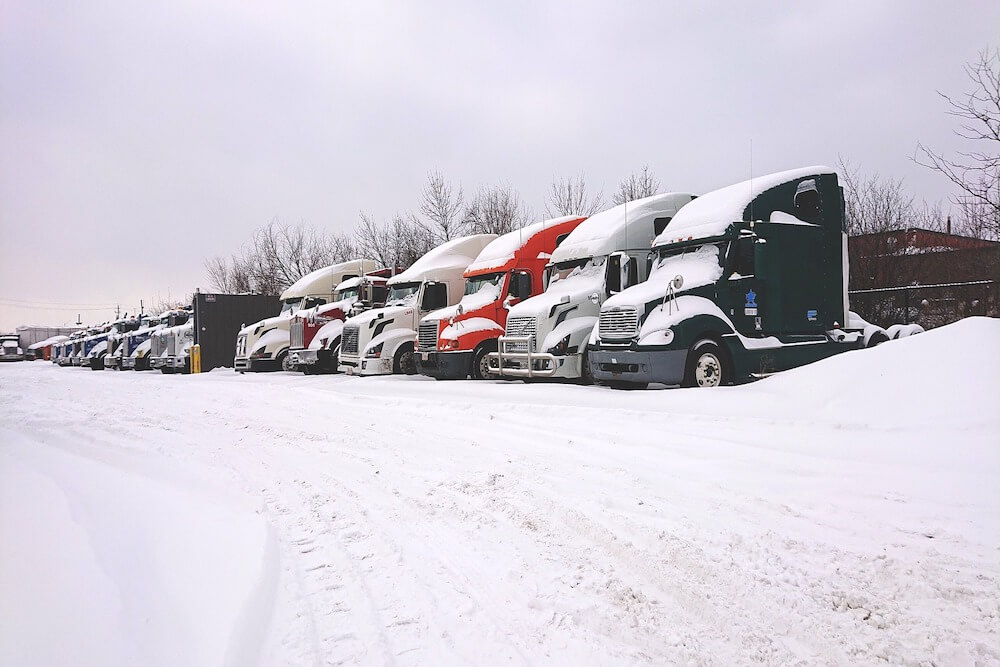
Winter street parking for trucks in cities is a risky business. Snow accumulation hides curbs, drains, and uneven surfaces. Parking on slight grades can result in sliding during freeze-thaw cycles. Plows may block parked vehicles or reduce exit clearance.
Winter street parking should always be treated as a controlled maneuver.
When stopping in winter city environments, choose level surfaces and avoid areas near intersections where plowed snow piles may shift. Ensure wheels are straight and parking brakes are applied smoothly to prevent lockup on icy surfaces.
City Driving Tips for Cold Weather Conditions
City driving tips for winter focus on reducing complexity rather than increasing speed. Choose routes with wider streets, fewer tight turns, and better snow maintenance whenever possible. Avoid shortcuts through residential neighborhoods where snow removal may be inconsistent.
These city driving tips reduce exposure to narrow street driving hazards. Cold weather driving in urban environments requires constant reassessment of traction, visibility, and stopping space.
Allow additional time for city winter transit. Rushing increases pressure and leads to poor decisions during driving maneuvers.
Safe Winter Driving as a System
Safe winter driving in cities is not about mastering one skill. It is about managing a system: vehicle preparation, route planning, maneuver execution, pedestrian awareness, and emotional discipline.
Safe winter driving integrates planning, technique, and judgment. Winter driving safety in cities depends on combining preparation, planning, and disciplined execution into one system.
Winter driving checklist thinking helps drivers avoid reactive decisions.
Final Checklist for City Winter Driving
City winter driving entails respect for the limitations. Snow and ice amplify each mistake, particularly in urban confines. Slower calculations, cautious interchange driving, disciplined narrow street driving, and careful pedestrian zone navigation define successful winter city transit.
Safe winter driving in cities prioritizes precision over confidence.
Safe winter driving in cities is not about proving skill. It is about finishing the route without creating new problems — for the driver, the vehicle, or everyone sharing the street.
City driving in winter is a completely different form of art compared to highways and rural areas driving. For truck drivers, driving in cities creates more trouble in winter: low ceilings, being exposed to pedestrians, no space to negotiate, obligatory short turns, and disoriented traffic. Urban driving is not only slower but more complicated, has more variables, and requires precise and detailed attention in the face of snow, ice, and freezing temperatures.
City driving winter conditions demand a different level of planning than any other environment.
Winter driving in densely populated areas of cities requires a thorough plan that recognizes winter driving hazards specific to such places.
City winter driving increases risk not through speed, but through limited margins and constant interaction.
The city winter checklist is helpful to truck drivers for the safe transportation of materials in urban areas during the winter through the low-speed maneuvers, interchanges, narrow streets, and pedestrian zones which are the most accident-prone areas. The main factors, which help to avoid accidents while driving in winter in cities, are pre-planning, positioning the vehicle correctly, and following the driving instructions with discipline under the adverse traction and visibility conditions aside from speed.
Keys to safe winter driving in cities are awareness, good planning, and precise driving, which does not depend on the reaction.
Why City Winter Driving Is More Dangerous Than It Looks
Most drivers link winter driving challenges to high-traffic highways and hilly terrain. However, city traffic in winter provides wholly different kinds of risks. The lower speeds that you drive your vehicle in the city, the less precaution you have against making mistakes. For example, if the road is icy, just a little error can result in hitting the curb, damaging parked vehicles, colliding with pedestrians, or even losing control in a subtle way.
Icy roads tips for urban areas focus on minimizing combined steering and braking inputs.
City winter driving is a combination of numerous aggravating factors. These include constantly braking, steering all the time, making sharp turns, slipping on hidden ice patches, and other vehicles pushing you to the edge. Snow piles your lane. Slush hides markings. People, fearing the cold, rush across streets in non-predictable behavior. All these things force a driver to put on a winter driving checklist mode rather than just react to the situation.
Driving in snow within city limits requires constant reassessment of traction and escape paths.
Core Risk Factors in City Winter Driving
- Limited maneuvering space combined with reduced traction
- Frequent interaction with pedestrians in low-visibility conditions
- Snowbanks and parked vehicles narrowing usable lanes
- Hidden ice at intersections and shaded streets
- Pressure from surrounding traffic during low-speed maneuvers
Winter Vehicle Preparation for City Operations
When it comes to driving maneuvers winter, the first step is to tackle body car preparation before cars are on the routes. Urban winter driving takes a heavy toll on the steering, brakes, and low-speed traction. Insufficient preparations turn trivial dangers into severe ones.
Winter car preparation is the foundation of controlled city operations.
A car winter checklist is a key to safe urban traffic in the winter.
A proper vehicle winter checklist should include good tires for winter conditions, fully-functioning ABS and traction systems, clean mirrors and cameras, and fully operable lights. Washers for windshields to be used in too low temperatures are a must for visibility in slush-heavy city conditions. It is also important to check whether or not the brake responds regularly before driving fast on the route in the beginning.
This cold weather checklist reduces risk during the first critical maneuvers of the route.
Winter vehicle preparation is not about simply surviving the cold months but also keeping the vehicle under control while maintaining a steady flow of traffic during stop-and-go conditions.
Winter Driving Tips for Truck Drivers
Vehicle Preparation Elements for City Winter Driving
| Preparation Element | Purpose in City Driving | Risk if Ignored |
| Winter-rated tires | Improve low-speed traction | Wheel spin, poor braking |
| Clean mirrors/cameras | Maintain spatial awareness | Blind spots on narrow streets |
| Functional ABS | Controlled braking on ice | Loss of directional control |
| Winter washer fluid | Clear slush and spray | Sudden visibility loss |
Understanding Winter Road Conditions in Cities
Urban winter road conditions are generally worse than highways. Traffic heat thaws the snow during the day, only to freeze again at night. Intersections, shaded streets between buildings, and pedestrian zones are potential black ice areas. Snow removal is sometimes subpar, resulting in slushy rumbles thinly coating the steering and brakes.
Winter driving hazards in cities are most severe during early morning and late evening hours.
Drivers should assume that every city intersection may have ice on it even if the rest of the road is pretty clear. The winter driving hazards at urban locations are often invisible until the vehicle is already committed to a maneuver.
Driving Maneuvers on Slippery City Roads
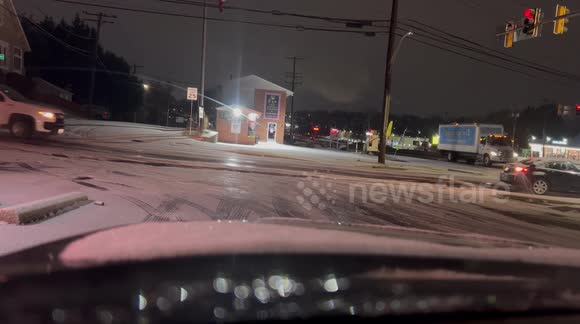
Driving maneuvers on ice need a new rhythm. For better results, driving, braking, and acceleration should be distinctly performed. At snowy locations, combined action of the steering and the brake increases significantly the chances of losing grip.
Slippery road maneuvers require separation of inputs and deliberate timing.
Roads traversed with snow must be approached at a speed that is significantly lower than what you would consider safe under dry conditions. You should make turns at a lower speed long before the intersection. When braking, you should do it in a straight line any time it is possible. When you want to exit from turns, it is better to do it gradually in order to free the wheel from spinning.
These snow driving techniques improve vehicle stability during urban turns.
City driving in bad weather necessitates an attitude shift and adopting new ways of doing things. Turning quickly, like wheel inputs, will invariably bring about a loss of control as a result of the different levels of traction created by snow, ice, and slush.
Principles for Slippery Road Maneuvers in Cities
- Separate braking, steering, and acceleration
- Complete braking before entering turns
- Maintain gradual throttle input when exiting intersections
- Avoid sudden steering corrections
- Reduce speed earlier than visual conditions suggest
Interchange Driving in Winter Conditions
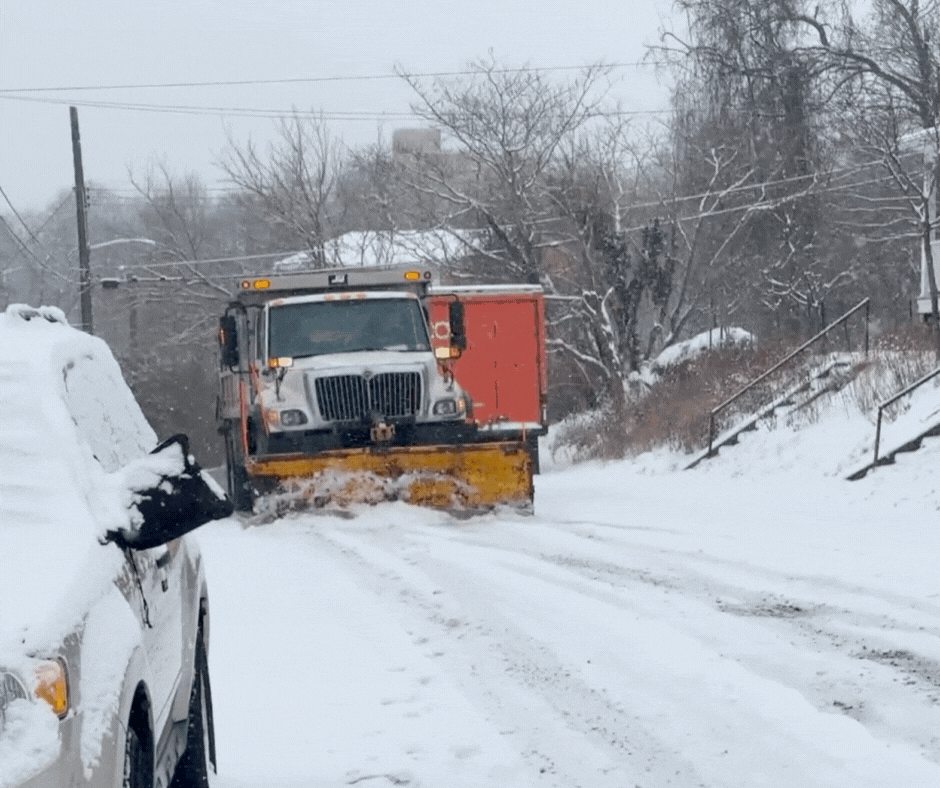
Driving on interchanges in the city is specifically dangerous during winter. Ramps, flyovers, and underpasses freeze sooner than the other roads because of the evaporation and temperature movement. According to the combination of forces, ramps are one of the most dangerous places to drive in winter because they have high lateral force plus reduced traction.
Interchange driving requires conservative speed selection regardless of traffic pressure.
Come into interchanges at a speed lower than what you thought was necessary. Keep a steady throttle through the curve without braking. Avoid lane changes on ramps, especially where snow accumulation narrows the roadway. Ramping up into the city’s traffic flow requires patience because the disposal of distances is often drastically increased around icy surfaces.
Safe winter driving at interchanges depends on physics, not traffic flow.
High-Risk City Locations in Winter
| Location Type | Primary Hazard | Recommended Driver Action |
| Interchanges | Rapid freezing, lateral forces | Lower entry speed, no braking |
| Narrow streets | Limited escape paths | Maintain steady momentum |
| Pedestrian zones | Unpredictable movement | Reduce speed below posted limits |
| Street parking areas | Hidden grades and curbs | Choose level surfaces only |
Narrow Street Driving in Winter
Narrow street driving is one of the most problematic activities of the winter season in city driving. Snowbanks decrease the usable road size, while parked cars restrict escape routes. In extremely narrow streets, oncoming traffic might come into your lanes due to the insufficient road width.
Narrow road maneuvers demand heightened spatial awareness and trailer tracking control.
Narrow road maneuvers involve trailer tracking. Because of snow piling at corners, turning angles must be altered. Mirrors and cameras become valuable equipment but they must be kept clear of ice and road spray.
City winter driving leaves no margin for correction on narrow streets.
Drivers who have no business stopping on narrow streets shall avoid unnecessary stops whenever possible. When you stop and start on frost-covered and narrow roads, you are at an increased risk of wheel spin and trailer drift.
Pedestrian Zone Rules and Winter Hazards
Drive through pedestrian areas during winter with particularly hazardous circumstances. Slippery sidewalks push pedestrians closer to the road. To avoid cluttered snow piles, people may cross outside marked zones. Visibility is impaired due to parked vehicles, snowbanks, and poor lighting.
Pedestrian area driving in winter requires assuming unpredictable behavior.
Pedestrian zone rules should be viewed with extra caution in winter city transit. Think about pedestrians that might slip or stop suddenly. In winter, heavy snow or freezing rain causes the speed to be reduced below the limits posted in pedestrian areas.
Pedestrian zone rules exist to offset reduced traction and visibility.
Winter Street Parking and Stopping Considerations
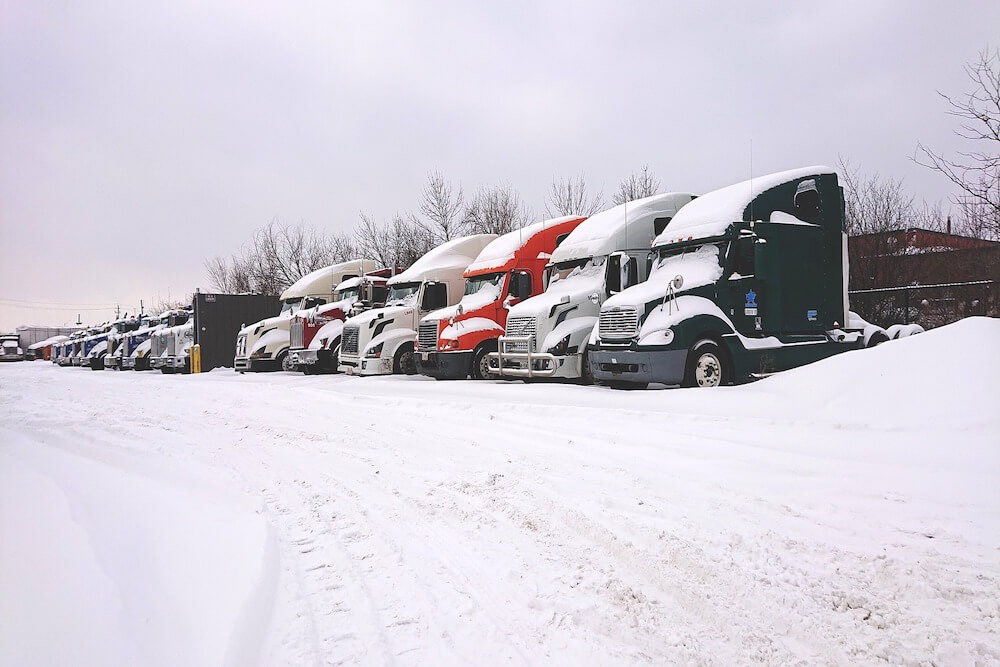
Winter street parking for trucks in cities is a risky business. Snow accumulation hides curbs, drains, and uneven surfaces. Parking on slight grades can result in sliding during freeze-thaw cycles. Plows may block parked vehicles or reduce exit clearance.
Winter street parking should always be treated as a controlled maneuver.
When stopping in winter city environments, choose level surfaces and avoid areas near intersections where plowed snow piles may shift. Ensure wheels are straight and parking brakes are applied smoothly to prevent lockup on icy surfaces.
City Driving Tips for Cold Weather Conditions
City driving tips for winter focus on reducing complexity rather than increasing speed. Choose routes with wider streets, fewer tight turns, and better snow maintenance whenever possible. Avoid shortcuts through residential neighborhoods where snow removal may be inconsistent.
These city driving tips reduce exposure to narrow street driving hazards. Cold weather driving in urban environments requires constant reassessment of traction, visibility, and stopping space.
Allow additional time for city winter transit. Rushing increases pressure and leads to poor decisions during driving maneuvers.
Safe Winter Driving as a System
Safe winter driving in cities is not about mastering one skill. It is about managing a system: vehicle preparation, route planning, maneuver execution, pedestrian awareness, and emotional discipline.
Safe winter driving integrates planning, technique, and judgment. Winter driving safety in cities depends on combining preparation, planning, and disciplined execution into one system.
Winter driving checklist thinking helps drivers avoid reactive decisions.
Final Checklist for City Winter Driving
City winter driving entails respect for the limitations. Snow and ice amplify each mistake, particularly in urban confines. Slower calculations, cautious interchange driving, disciplined narrow street driving, and careful pedestrian zone navigation define successful winter city transit.
Safe winter driving in cities prioritizes precision over confidence.
Safe winter driving in cities is not about proving skill. It is about finishing the route without creating new problems — for the driver, the vehicle, or everyone sharing the street.