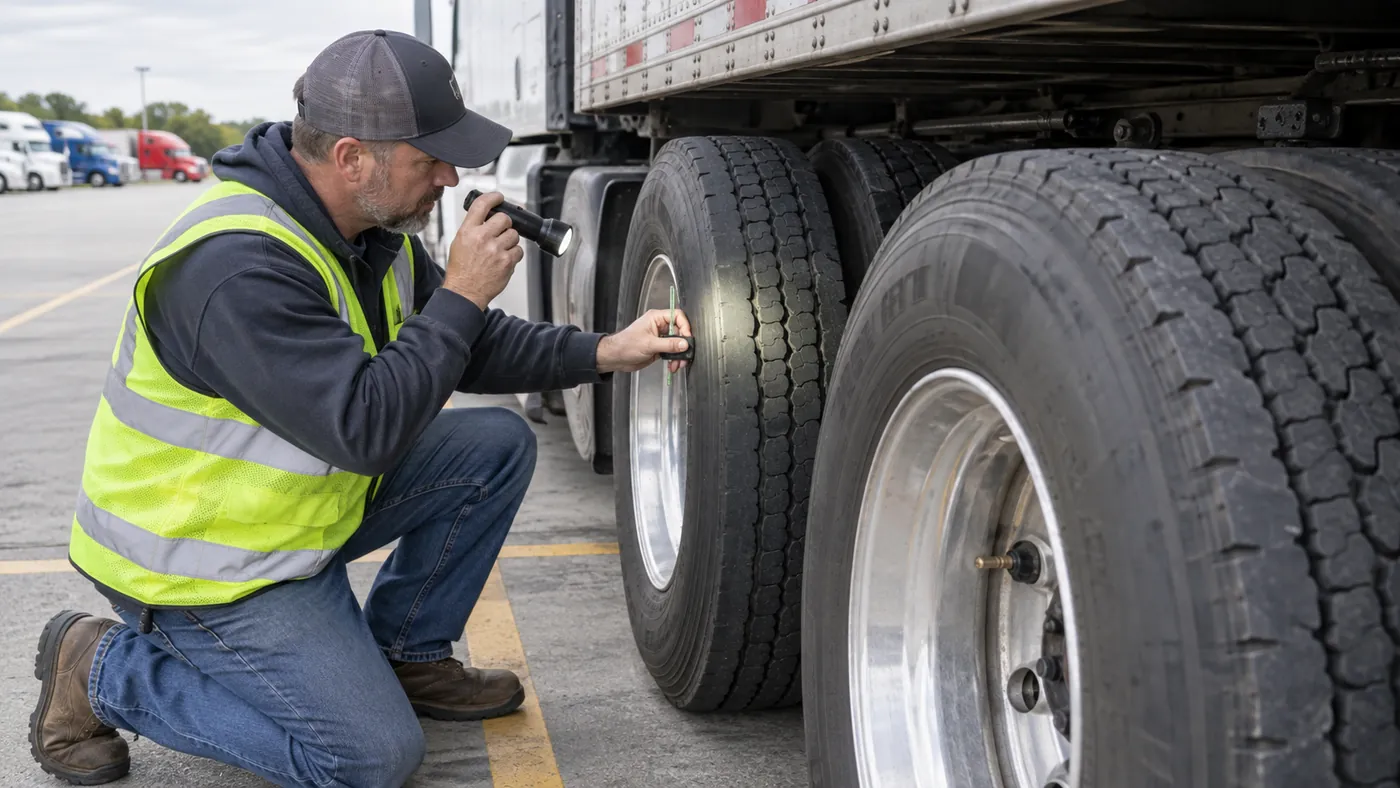
A driver may notice an unusual pattern on a tire well before anyone knows its cause. One edge looks different, a section seems more worn or a previously noted mark appears to have changed. The useful next step is to identify the tire and describe the observation through the carrier's inspection process. A good record gives the workshop a starting point without turning a walk-around into an improvised diagnosis or a reason to continue operating equipment that needs assessment.
Identify the tire beyond left and right
Begin with the vehicle unit, axle and position using the fleet's accepted naming system. A note that says rear left can mean several different positions on a combination. If the carrier uses a diagram, learn how it numbers each location. Use that same system on photographs, reports and service requests.
Record the relevant date and the circumstances of the observation. A workshop receiving several fleet vehicles needs to connect the concern to the right unit. If a tractor or trailer changes before the appointment, keep the original identifier in the maintenance record. The tire concern belongs to the equipment observed, even if another unit takes over the load.
Describe a pattern without assigning a cause
Use visible features and locations. A continuous band at an edge, an isolated damaged area and a difference between neighboring tires are different observations. State what you can see from the position allowed by your training and the site's safety procedures. Do not reach into unsafe areas or place yourself under a vehicle to obtain a better description.
The cause may require examination of the tire, wheel end, suspension, alignment or operating history. That assessment belongs to qualified personnel. A driver can help by avoiding conclusions such as bad alignment unless a qualified inspection has established them. A precise description leaves the workshop free to investigate the actual condition.
Take useful photographs when permitted
If carrier policy allows photographs, take a view that identifies the position and a separate view of the visible concern. Keep the unit reference with the images in the approved system. A close-up with no location information can be difficult to match once the vehicle is at a busy workshop.
Avoid changing the condition merely to produce a clearer image. Record what was safely visible, then let the service team decide what further inspection is required. Check the upload status before leaving the report. An image on the driver's phone does not help the technician if the office record contains only the words photo attached.
Keep pressure information in context
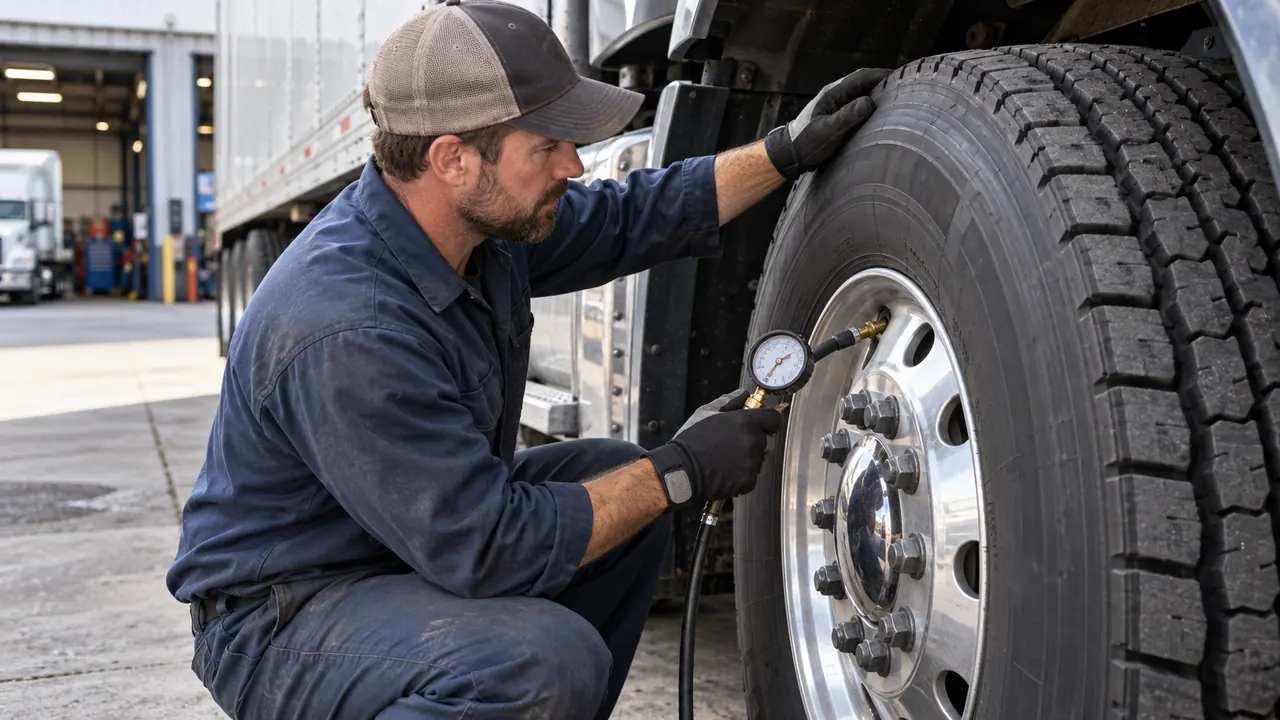
Pressure observations need the correct measuring procedure, equipment and target for the actual tire, load and vehicle. Follow the fleet's instructions and the applicable manufacturer's guidance. Do not use a number from a different vehicle or assume that a value found online applies to every position.
Continental's tire-pressure guidance explains why measurement conditions matter. Use it as background while obtaining the correct commercial-tire instructions from the fleet or tire supplier. When reporting a reading, include what the approved procedure requires so the workshop can interpret it. A number without context can create a false comparison.
Connect the concern to earlier records
Ask whether the same position has an existing report or recent service entry. The workshop may find it useful to know that a tire was replaced, the unit was reassigned or a similar observation was logged earlier. Preserve the history rather than opening an unrelated record every time the symptom is mentioned.
A fictional example illustrates the point. A driver reports an edge pattern on trailer T18. Another shift previously reported that same position under the trailer's registration. If the system links the two identifiers, the technician sees a sequence. If it does not, two useful observations may look like separate, minor concerns.
Make the service question explicit
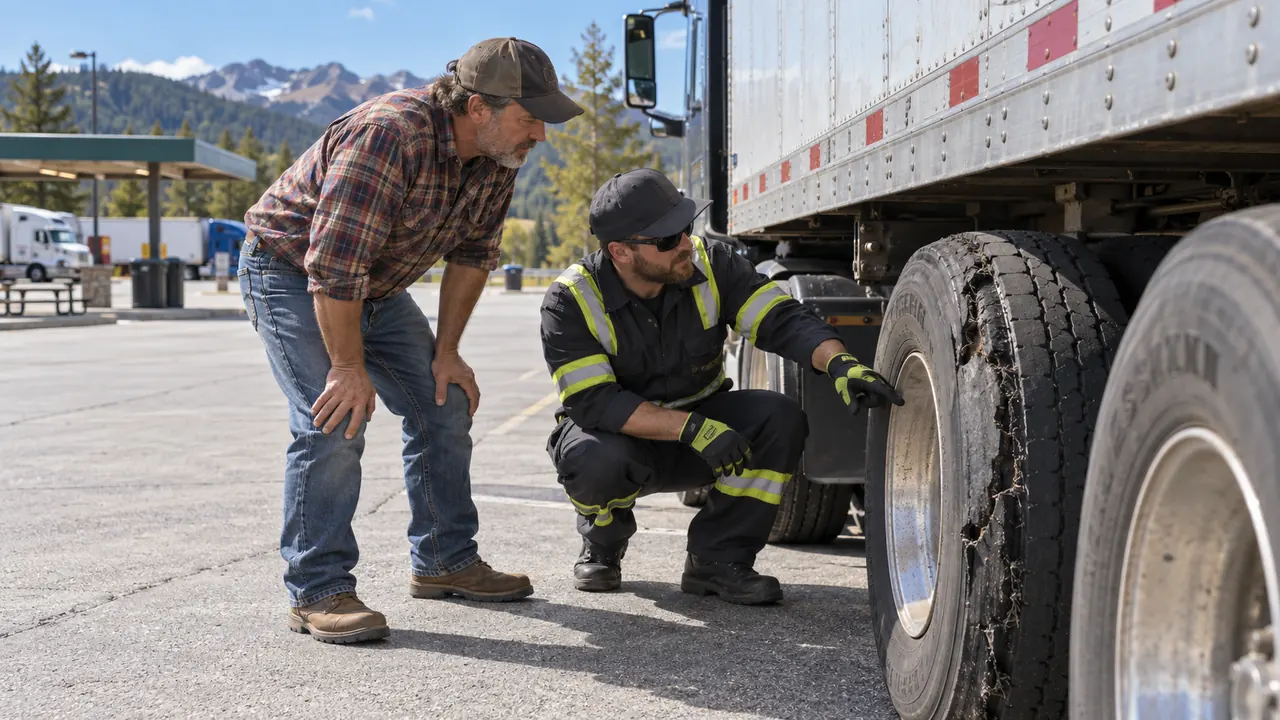
The report should tell the responsible maintenance team what needs assessment and how the vehicle's operating status will be determined. Dispatch needs an authorized decision about availability, not an informal assumption based on the fact that the vehicle reached the workshop. Keep a proposed appointment and a confirmed release separate.
The FMCSA Motor Carrier Safety Planner provides a broader reference for vehicle inspection and maintenance responsibilities. Use the carrier's actual reporting and release processes. If the condition raises an immediate concern, follow those procedures promptly instead of treating a future booking as the only necessary action.
Close the loop after the inspection
When the workshop has assessed the tire, connect its findings and completed work to the original report. The driver should be able to identify the authorized status before the next assignment. Keep any follow-up instruction clear, including who is expected to make another observation and where it belongs in the record.
At the next visit, compare the earlier note with the technician's information. Which details helped identify the problem? Which words caused confusion? Improve the position label, photograph or reporting field accordingly. Consistent observations do more for a maintenance conversation than a confident guess about the cause. They help the fleet see change over time and give each professional the information needed for their part of the work.
## Check how the report appears at the workshop
Ask whether the workshop sees the same position labels and attachments the driver submitted. A report can lose useful detail when one application exports only a summary. Test the transfer with an invented record if the carrier permits it. Include similar unit identifiers and a clearly labelled tire position. The recipient should identify the equipment without contacting the author. Correcting this connection can improve later maintenance conversations by ensuring that a useful photograph and observation reach the person expected to assess them. The reporting process includes the recipient's view as well as the driver's screen.